©
70-й Eurovision Song Contest стартував у Відні 12 травня — у місті, яке цього року на кілька тижнів перетворилося на музичну столицю Європи та простір великої культурної та політичної дискусії. Офіційне відкриття конкурсу традиційно розпочалося Turquoise Carpet — бірюзовою доріжкою від Burgtheater до Vienna City Hall. Австрійські організатори описували церемонію як спробу «перетворити центр Відня на відкриту сцену Європи». Втім, уже в перші години стало очевидно: ювілейне конкурс відбувається в атмосфері значно напруженішій, ніж попередні. Американське Associated Press нагадало, що цьогоріч у Відні змагаються лише 35 країн, а Іспанія, Ірландія, Нідерланди, Словенія та Ісландія оголосили бойкот через участь Ізраїлю.

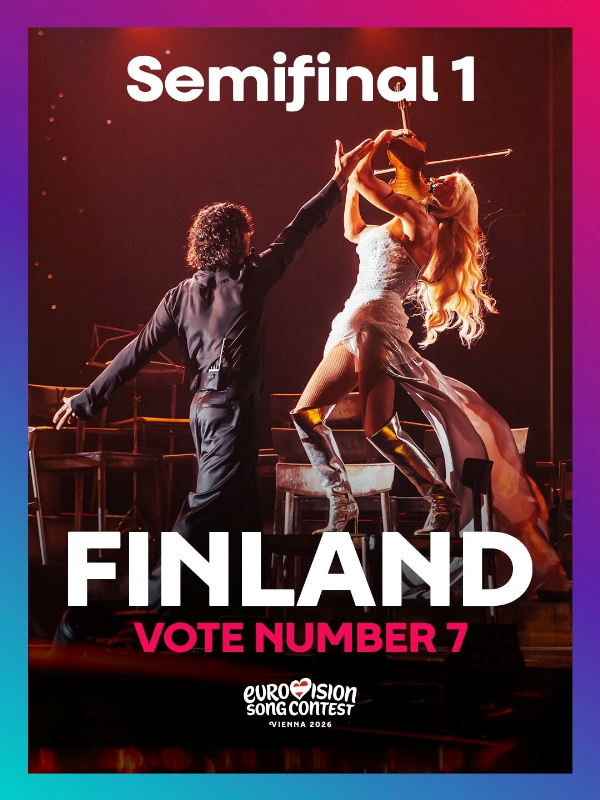
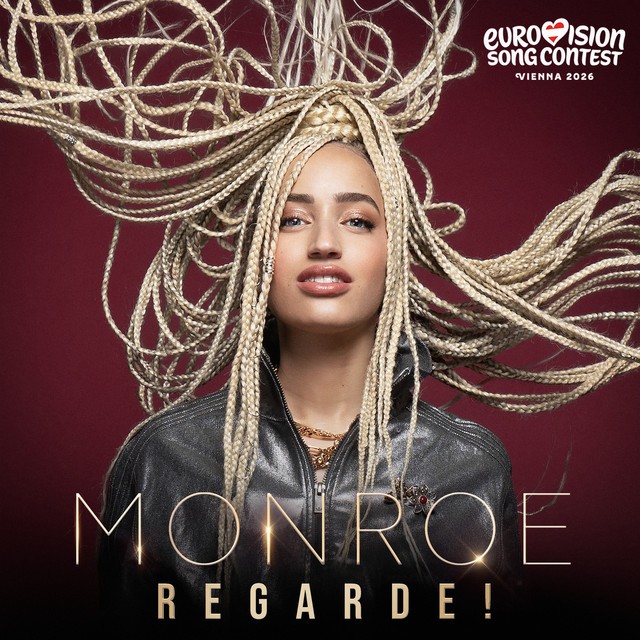
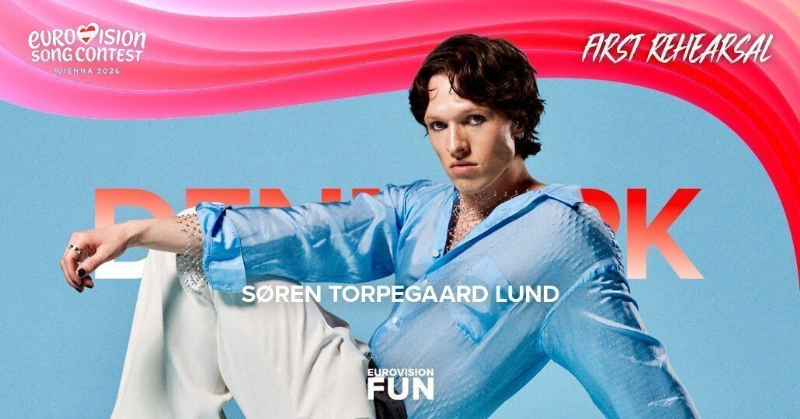
На тлі протестних акцій у місті суттєво посилили заходи безпеки, а навколо конкурсного майданчика ще до відкриття почалися пропалестинські демонстрації. The Guardian назвав нинішній конкурс «безпрецедентним моментом» у 70-річній історії Eurovision. Театральний і музичний оглядач Філіп Ольтерманн цитує історика конкурсу Пола Джордана: «Євробачення має бути радісним. Але цього року воно трохи сумне». Саме ця інтонація — між шоу, тривогою та політичною поляризацією — проходить через більшість європейських медіа. Французький Le Parisien, попри політичний фон, зосереджується на конкурсній інтризі: букмекери напередодні півфіналів називають фаворитами Фінляндію, Грецію та Данію, тоді як французька співачка Monroe, за оцінками видання, зберігає високі шанси потрапити до Top 5.
Італійська преса описує відкриття як дивне поєднання карнавальності та протесту. RaiNews наголошує, що церемонія у Відні «перестала бути лише поп-подією», а агентство ANSA окремо зафіксувало акції під гаслом “Boycott Eurovision”. Паралельно неподалік від головних подій конкурсу протестували іранські активісти, які виступали як проти участі Ізраїлю, так і проти режиму аятол в Ірані.
Для австрійських медіа цьогорічне Євробачення має ще один важливий вимір — безпековий. Die Presse цитує президента єврейської громади Австрії Оскара Дойча: «Євробачення — це свято різноманіття». Саме навколо поняття «різноманіття» сьогодні точиться одна з головних дискусій довкола конкурсу: чи може Eurovision залишатися аполітичним простором у часи глобальних конфліктів і суспільної радикалізації. Ще одна важлива зміна 2026 року — нові правила голосування. Reuters повідомляє, що Європейська мовна спілка суттєво обмежила кількість публічних голосів із одного способу оплати — не більше десяти. Рішення ухвалили після торішніх суперечок навколо масових кампаній голосування та звинувачень у маніпуляціях, пов’язаних із підтримкою Ізраїлю. The Guardian звертає увагу, що один із найбільших фан-ресурсів Eurovision Hub цього року відмовився висвітлювати конкурс, заявивши, що більше не відчуває себе «у згоді з конкурсом у його нинішньому вигляді».
Україну цього року представляє гурт LELÉKA з піснею “Ridnym” («Рідним»). Авторами композиції стали Адам Чефалу, Якоб Гегнер, Вікторія Лелека та Ярослав Джусь. Національний відбір 2026 гурт виграв із максимальними 10 балами як від журі, так і від глядачів. За даними Eurovisionworld та європейських букмекерських рейтингів напередодні перших півфіналів, головним фаворитом конкурсу залишається Фінляндія. Серед основних претендентів на перемогу також називають Грецію, Данію, Францію, Швецію та Ізраїль. Водночас аналітики наголошують: цьогорічний політичний контекст робить результати конкурсу менш передбачуваними, ніж зазвичай.
European media have described Eurovision 2026 as “the political nerve centre of Europe.”
The 70th Eurovision Song Contest opened in Vienna on 12 May, turning the Austrian capital for several weeks into both Europe’s musical centre and a stage for wider cultural and political debate. The official launch of the competition began with the traditional Turquoise Carpet procession, stretching from the Burgtheater to Vienna City Hall. Austrian organisers described the ceremony as an attempt to “turn the centre of Vienna into an open stage for Europe.” Yet within the first hours it became clear that this anniversary edition of the contest was unfolding in a far more tense atmosphere than previous years.
Associated Press noted that only 35 countries are competing in Vienna this year, while Spain, Ireland, the Netherlands, Slovenia and Iceland announced a boycott over Israel’s participation. Amid protests across the city, security measures were significantly tightened, and pro-Palestinian demonstrations began near the venue even before the official opening ceremony.
The Guardian described this year’s contest as “an unprecedented moment” in Eurovision’s 70-year history. Theatre and music critic Philip Oltermann quotes Eurovision historian Paul Jordan as saying: “Eurovision is meant to be joyous. But this year it feels a little bit sad.” That tone — suspended somewhere between spectacle, anxiety and political polarisation — runs through much of the European media coverage surrounding this year’s contest.
Despite the political backdrop, the French daily Le Parisien has focused primarily on the competition itself, with bookmakers ahead of the semi-finals naming Finland, Greece and Denmark among the leading favourites, while French entrant Monroe is still considered by the paper to have strong Top 5 potential.Italian media, meanwhile, have portrayed the opening as an unusual mix of carnival and protest. RaiNews noted that the Vienna ceremony had “ceased to be merely a pop event”, while the ANSA news agency separately reported demonstrations under the slogan “Boycott Eurovision”. At the same time, Iranian activists gathered near the main Eurovision events to protest both Israel’s participation and the Iranian ayatollah regime.
For Austrian media, this year’s Eurovision has also acquired another major dimension: security. Die Presse quoted Oskar Deutsch, president of Austria’s Jewish community, as saying: “Eurovision is a celebration of diversity.” It is precisely around the idea of “diversity” that one of the contest’s central debates now revolves: whether Eurovision can continue to exist as an ostensibly apolitical space at a time of global conflict and growing social polarisation.
Another major change in 2026 concerns the voting rules. Reuters reports that the European Broadcasting Union has significantly restricted the number of public votes permitted through a single payment method to a maximum of ten. The decision followed last year’s controversies surrounding coordinated voting campaigns and accusations of manipulation linked to support for Israel. The Guardian also noted that Eurovision Hub — one of the contest’s largest fan platforms — has refused to cover this year’s competition, stating that it no longer feels “aligned with the contest in its current form.”
Ukraine is represented this year by the band LELÉKA with the song “Ridnym” (“To Our Own”). The track was written by Adama Cefalu, Jakob Hegner, Viktoriia Leleka and Yaroslav Dzhus. The group won Ukraine’s national selection for Eurovision 2026 with the maximum 10 points from both the jury and the public vote. According to Eurovisionworld and leading European bookmakers ahead of the first semi-finals, Finland remains the clear favourite to win the contest. Greece, Denmark, France, Sweden and Israel are also widely seen as among the strongest contenders. Analysts, however, note that this year’s political backdrop has made the outcome of Eurovision considerably less predictable than usual.
1496