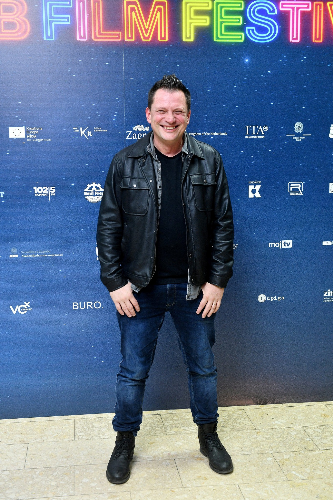
© Facebook Direktno.hr
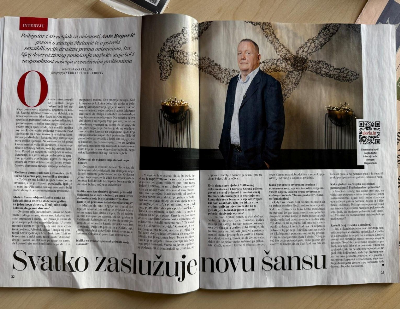
Хорватське товариство кінорежисерів ухвалило рішення виключити Далібора Матанича (1975) зі своїх лав — більш ніж через півтора року після публічного викриття численних звинувачень у сексуальних домаганнях і неприйнятній поведінці щодо акторок та колег по знімальних майданчиках. Рішення було прийнято на щорічних зборах організації та обґрунтоване «порушенням репутації та гідності професії». Скандал спалахнув після публікації в хорватській пресі анонімних свідчень, у яких ішлося про надсилання режисером повідомлень сексуального характеру, тиск на колег і неналежну поведінку під час роботи. Матанич визнав обвинувачення, публічно вибачився та заявив, що його дії були пов’язані з алкогольною та наркотичною залежністю. Після цього він фактично зник із публічного простору й утратив низку професійних проєктів. Проти нього було подано кілька кримінальних заяв, зокрема за участі омбудсменки з питань гендерної рівності Хорватії. Рішення про виключення стало кульмінацією тривалого суспільного й професійного осмислення справи, яка викликала гострі дискусії в хорватській культурній спільноті — зокрема через те, що Матанич раніше позиціонував себе як публічний прихильник прав жінок і підтримував рух #MeToo. Нещодавня спроба його публічного «повернення» через інтерв’ю в глянцевому журналі спричинила нову хвилю критики — як на адресу самого режисера, так і на адресу редакції, що надала йому майданчик.
Коротка довідка
Далібор Матанич — хорватський кінорежисер і сценарист, один із найпомітніших представників покоління 2000-х у хорватському кіно. Міжнародне визнання здобув завдяки фільму «Зеніт», відзначеному нагородами на європейських фестивалях. Також відомий стрічками «Красиві мертві дівчата» та популярними телесеріалами «Газета» і «Тиша». До скандалу вважався одним із найуспішніших і найвпливовіших авторів у сучасній хорватській аудіовізуальній культурі.
Croatian director Dalibor Matanić expelled from professional association following scandal
The Croatian Society of Film Directors has voted to expel Dalibor Matanić (1975) from its membership, more than a year and a half after multiple allegations of sexual harassment and inappropriate behaviour towards actresses and colleagues became public. The decision was taken at the organisation’s annual general meeting and was justified on the grounds of “damaging the reputation and dignity of the profession”. The scandal erupted after the Croatian press published anonymous testimonies describing the director’s alleged conduct, including sending sexually explicit messages, exerting pressure on colleagues and behaving inappropriately on film sets. Matanić admitted the accusations, issued a public apology and stated that his actions were linked to alcohol and drug addiction. He subsequently withdrew from public life and lost several professional projects. A number of criminal complaints were filed against him, including by alleged victims and the Croatian Gender Equality Ombudsperson. The expulsion marks the culmination of a prolonged period of public and professional reckoning, which sparked intense debate within Croatia’s cultural sector — particularly given that Matanić had previously presented himself as a vocal supporter of women’s rights and an advocate of the #MeToo movement. A recent attempt at public rehabilitation through an interview in a glossy magazine triggered a fresh wave of criticism, directed both at the director and at the editorial team for providing him with a platform.
Background
Dalibor Matanić is a Croatian film director and screenwriter, regarded as one of the most prominent figures of the 2000s generation in Croatian cinema. He gained international recognition with the award-winning film Zenit, and is also known for Fine Dead Girls as well as the successful television series The Paper and The Silence. Prior to the scandal, he was widely considered one of the most influential and successful filmmakers in contemporary Croatian audiovisual culture.
©
2126