© Det Danske Filminstitut
Данія офіційно висунула фільм Май ель-Тукі (May el-Toukhy) «Kvinde ukendt» («Невідома жінка») на премію «Оскар» у категорії «Найкращий міжнародний фільм». Рішення 25 вересня одностайно ухвалила Данська оскарівська комісія, до складу якої входять представники кіногалузі та Данського кіноінституту. Стрічка тепер претендує на потрапляння до короткого списку премії, церемонія якої відбудеться 14 березня 2027 року в Лос-Анджелесі. Її висунення стало продовженням надзвичайно успішної фестивальної осені: на Венеційському кінофестивалі «Kvinde ukendt» отримала головну нагороду — «Золотого лева», а виконавиця головної ролі Матильда Арсель (Mathilde Arcel) — Coppa Volpi як найкраща акторка.

Матильда Арсель (Mathilde Arcel)
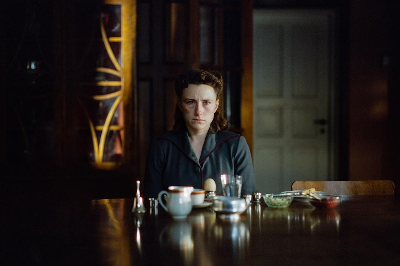
Події фільму розгортаються в Копенгагені у травні 1945 року, одразу після завершення Другої світової війни. Марі, молода служниця, готується до шлюбу із заможним старшим чоловіком, але таємниця її минулого загрожує зруйнувати майбутнє, яке вона намагається побудувати. Сценарій Май ель-Тукі та Марен Луїза Кехне досліджує провину, сором і моральний осуд, а також становище жінок, чиї тіла та особисті історії стають предметом суспільного контролю. Для el-Toukhy це вже друга стрічка, яка привернула значну міжнародну увагу після «Dronningen» («Королева»); режисерка також працювала над епізодами серіалу «The Crown» і стала однією з ініціаторок мистецького колективу Dogme25. Після Венеції фільм був представлений на Toronto International Film Festival, відібраний до основного конкурсу BFI London Film Festival і до офіційної програми Busan International Film Festival.

Кадр з фільму "Невідома жінка"
Для данського кіно це особливий момент: «Kvinde ukendt» стала лише другою данською стрічкою, що отримала «Золотого лева» у Венеції, після «Слова» («Ordet») Карла Теодора Дреєра у 1955 році; водночас May el-Toukhy стала першою данською режисеркою, відзначеною головною нагородою фестивалю. Тепер фільм переходить до наступного етапу міжнародної кампанії — боротьби за місце серед 15 стрічок, які Американська кіноакадемія оголосить у грудні. Фінальні номінації на «Оскар» мають бути оголошені 21 січня 2027 року.
Історична довідка
Данія має свою історію успіху на «Оскарі». У категорії найкращого міжнародного фільму країна перемагала чотири рази: «Бенкет Бабетти» Ґабріеля Акселя отримав нагороду в 1988 році, «Пеле-завойовник» Білле Аугуста — у 1989-му, «Помста» («In a Better World») Сюсанне Бір — у 2011-му, а «Ще по одній» («Another Round») Томаса Вінтерберга — у 2021 році. «Втеча» («Flee») Йонаса Поера Расмуссена у 2022 році стала першою стрічкою, номінованою одночасно в категоріях міжнародного, документального та анімаційного фільму. «Дівчина з голкою» («The Girl with the Needle») Магнуса фон Горна отримала номінацію в міжнародній категорії у 2025 році. Окремий успіх Данія здобула у 2026 році: документальний фільм «Mr. Nobody Against Putin» Паші Таланкіна та Девіда Боренштайна отримав «Оскар» за найкращий документальний повнометражний фільм.

Режисерка Май ель-Тукі (May el-Toukhy), Det Danske Filminstitut
Denmark selects Woman Unknown as its Oscar entry
Denmark has officially selected May el-Toukhy’s Woman Unknown (Kvinde ukendt) as its entry for the Academy Award for Best International Feature Film. The decision was unanimously approved on 25 September by the Danish Oscar committee, comprising representatives of the film industry and the Danish Film Institute. The film will now compete for a place on the Oscar shortlist, with the 99th Academy Awards ceremony due to take place in Los Angeles on 14 March 2027. Its selection follows an exceptional festival run: at the Venice Film Festival, Woman Unknown won the top prize, the Golden Lion, while its leading actress, Mathilde Arcel, received the Coppa Volpi for Best Actress.
Set in Copenhagen in May 1945, shortly after the end of the Second World War, the film follows Marie, a young maid preparing to marry a wealthy older man, whose carefully constructed future is threatened by a secret from her past. The screenplay by May el-Toukhy and Maren Louise Käehne explores guilt, shame and moral judgement, as well as the position of women whose bodies and personal histories become subject to social scrutiny. For el-Toukhy, it is the second feature to attract major international attention following The Queen of Hearts (Dronningen). She has also directed episodes of The Crown and was one of the initiators of the artistic collective Dogme25. Following Venice, the film screened at the Toronto International Film Festival and was selected for the main competition at the BFI London Film Festival and the official programme of the Busan International Film Festival.
The film marks a significant moment for Danish cinema. Woman Unknown is only the second Danish film to win the Golden Lion in Venice, following Carl Theodor Dreyer’s Ordet (The Word) in 1955. El-Toukhy is also the first Danish female director to receive the festival’s top prize. The film now enters the next stage of its international Oscar campaign, with the Academy expected to announce a shortlist of 15 films in December. Final nominations are due to be announced on 21 January 2027.
A brief history of Denmark at the Oscars
Denmark has a long record of success at the Academy Awards. In the Best International Feature Film category, Danish films have won four times: Gabriel Axel’s Babette’s Feast (Babettes gæstebud) in 1988, Bille August’s Pelle the Conqueror (Pelle Erobreren) in 1989, Susanne Bier’s In a Better World (Hævnen) in 2011, and Thomas Vinterberg’s Another Round (Druk) in 2021. Danish films have also regularly reached the final nominations. In 2022, Jonas Poher Rasmussen’s Flee (Flugt) became the first film to be nominated simultaneously in the International Feature Film, Documentary Feature and Animated Feature categories. Magnus von Horn’s The Girl with the Needle (Pigen med nålen) received an International Feature Film nomination in 2025. Denmark achieved another Oscar success in 2026, when Mr. Nobody Against Putin, directed by Pasha Talankin and David Borenstein, won the Academy Award for Best Documentary Feature.
177