© Facebook Amal Berlin Ukraine
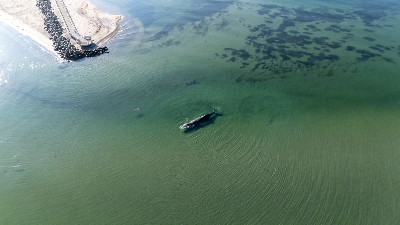
Операція з порятунку горбатого кита, який кілька тижнів залишався на мілині біля узбережжя федеральної землі Мекленбург-Передня Померанія у Німеччині, перетворилася на одну з найбільш обговорюваних природоохоронних подій весни 2026 року. Тварину вдалося підняти на спеціальну затоплену баржу і розпочати транспортування до Північного моря. Станом на кінець квітня караван уже рухається через води між Данією та Швецією у напрямку протоки Скагеррак, де кита планують випустити у природне середовище. Операція викликала активну дискусію серед екологів: частина фахівців підтримує спробу порятунку як унікальний шанс для тварини, інші застерігають від ризиків і наголошують, що втручання може завдати додаткового стресу ослабленому організму.
Горбатий кит (Megaptera novaeangliae) — один із найвідоміших видів вусатих китів, що мешкає у всіх океанах світу. Його розмір: до 16 метрів у довжину , вага 30–40 т . Горбаті кити відомі своєю поведінкою — вони часто вистрибують з води, б’ють плавниками по поверхні та активно взаємодіють із середовищем. У Балтійському морі цей вид трапляється вкрай рідко, адже тут недостатня солоність і обмежена кормова база. Саме тому випадок із китом, який опинився біля узбережжя Німеччини, вважається нетиповим і привернув увагу науковців.
За планом, транспортування триватиме ще кілька днів: баржа має обійти північ Данії і вийти в Північне море, де тварину випустять у відкриті води. Рух судна можна відстежувати в режимі реального часу через сервіси морського трекінгу — і це перетворює локальну операцію на подію, за якою стежить уся Європа.
За посиланням далі: https://www.vesselfinder.com/de/?imo=7349455
Millions follow Baltic humpback whale rescue online
The rescue operation of a humpback whale stranded for several weeks off the coast of Mecklenburg-Vorpommern in northern Germany has become one of the most widely discussed environmental stories of spring 2026. The animal has been successfully lifted onto a specially flooded barge and is now being transported towards the North Sea. As of late April, the convoy is moving through waters between Denmark and Sweden towards the Skagerrak strait, where the whale is expected to be released back into its natural habitat. The operation has sparked a lively debate among environmental experts. While some support the rescue effort as a rare and valuable opportunity to save the animal, others warn of the risks involved, stressing that such intervention may place additional strain on an already weakened whale.
The humpback whale (Megaptera novaeangliae) is one of the best-known species of baleen whales, found in oceans worldwide. It can grow up to 16 metres in length and weigh between 30 and 40 tonnes. Known for their distinctive behaviour, humpbacks often breach the surface, slap their fins against the water and display highly interactive patterns in their environment.
Sightings of humpback whales in the Baltic Sea are extremely rare due to its low salinity and limited food supply. For this reason, the presence of the animal off the German coast has been considered highly unusual and has drawn the attention of scientists. According to the rescue plan, the transport is expected to take several more days, with the barge navigating around the northern tip of Denmark before reaching the North Sea, where the whale will be released into open waters. The vessel’s journey can be tracked in real time via maritime tracking services — turning what began as a local rescue effort into an event followed across Europe.
https://www.vesselfinder.com/de/?imo=7349455
2411