© https://northtrotter.com
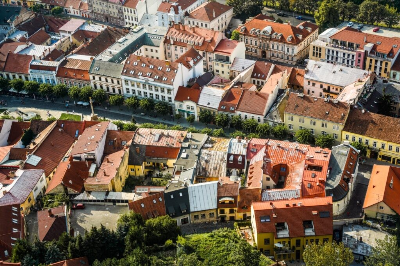
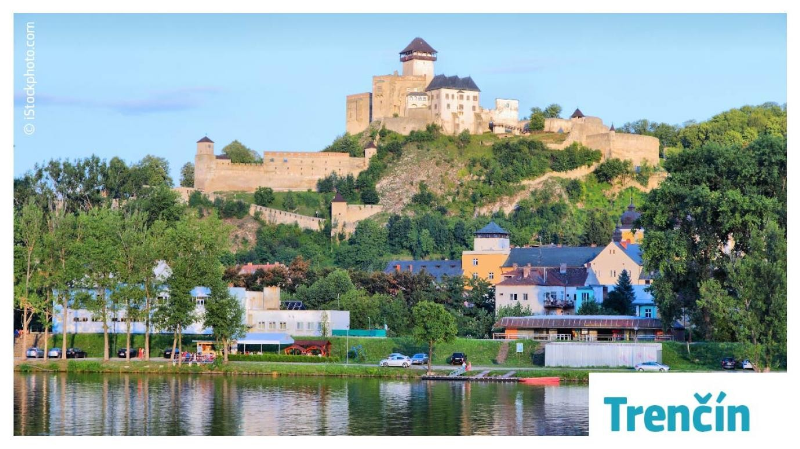
Однією з найбільш обговорюваних культурних тем у Словаччині стала міська трансформація Тренчина — міста, яке цього року отримало статус European Capital of Culture. Європейські урбаністи, архітектори та культурні експерти дедалі частіше описують словацький Тренчин як приклад нового типу культурної столиці Європи — без «мегаподій», але з акцентом на community architecture, ревіталізацію простору та повільну зміну міського середовища.
https://northtrotter.com
Financial Times назвала Тренчин «містом, яке стрімко підняли до культурної слави», звернувши увагу на парадокс: місто фактично не мало повноцінної культурної інфраструктури, а саме це стало одним із головних аргументів на користь його обрання.
https://northtrotter.com
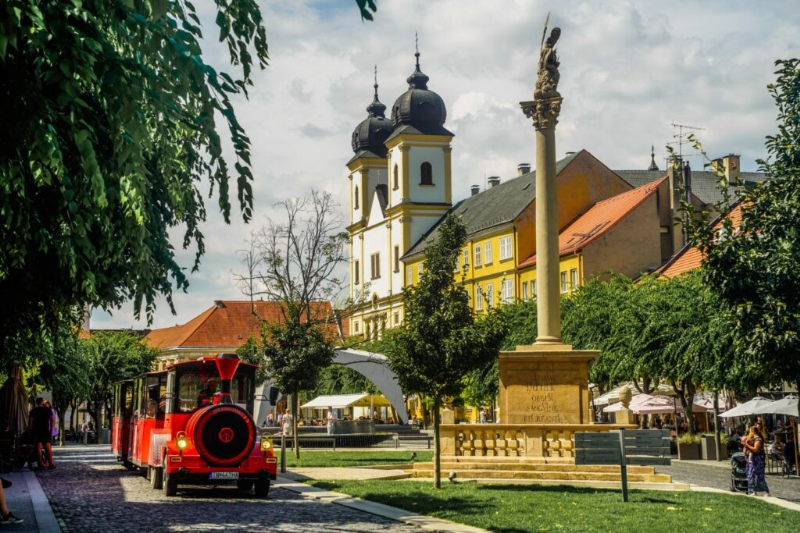
У великому матеріалі FT йдеться, що Тренчин не має окремої театральної будівлі чи великого концертного залу, а головний аудиторний простір міста розташований у колишньому «Будинку армії» — бетонній модерністській споруді часів соціалізму. Саме тому журі розглядало місто не як сформований культурний центр, а як територію потенційної трансформації. У фінальному selection report експертної комісії ЄС зазначалося, що концепція Тренчина «добре вкорінена у потребах міста, регіону та його мешканців» і має потенціал «залишити довготривалий культурний спадок». Проекти Trenčín 2026 передбачають не будівництво символічних «іконічних» споруд, а поступову зміну міського середовища:
-
реконструкцію залізничного вокзалу;
-
ревіталізацію історичного центру;
-
перетворення старого залізничного мосту на культурний простір;
-
створення арт-локацій у постіндустріальних районах;
-
інтеграцію contemporary art у щоденний простір міста.
https://northtrotter.com
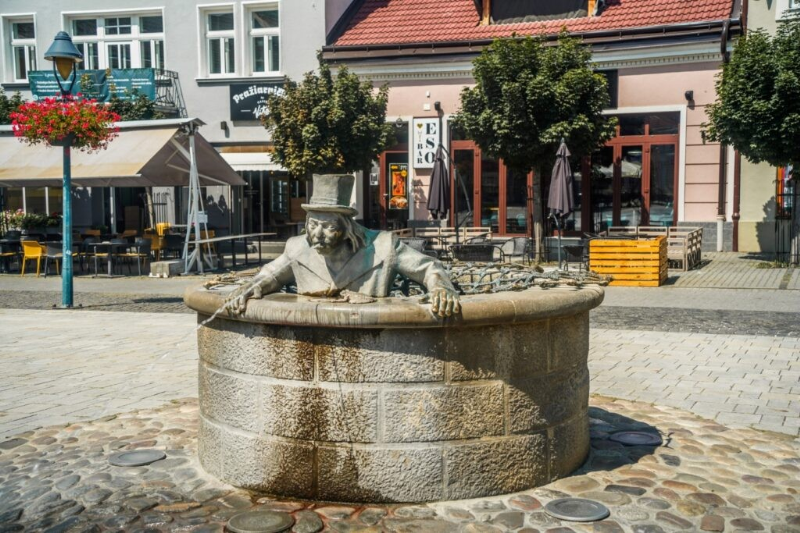
Тренчин став одним із найвиразніших прикладів «culture-led urban transformation» — міського оновлення через культуру. Однією з центральних архітектурних подій сезону стала виставка Kristína Seidlová: Architecture of Community Building, присвячена архітектурі спільнот і соціальному дизайну. Критики описують її як розмову про те, «як архітектура здатна створювати не лише будівлі, а й людські зв’язки».
The Architecture of Public Space in Trenčín Has Become Slovakia’s Defining Cultural Project
One of the most widely discussed cultural developments in Slovakia this year has been the urban transformation of Trenčín — the city selected as a European Capital of Culture 2026. Increasingly, European urbanists, architects and cultural commentators are describing the Slovak city as a model for a new kind of European cultural capital: one shaped not by “mega-events”, but by community architecture, spatial regeneration and the gradual reinvention of urban life. The Financial Times described Trenčín as “a city rapidly elevated to cultural prominence”, pointing to a striking paradox: the city lacked a fully developed cultural infrastructure, and yet this absence became one of the strongest arguments in favour of its selection.
In a major feature, the FT noted that Trenčín has neither a dedicated theatre building nor a major concert hall. The city’s principal performance venue remains the former “House of the Army” — a concrete modernist structure dating back to the socialist era. For that reason, the European jury did not approach Trenčín as an already established cultural centre, but rather as a territory of potential transformation. The final EU selection report stated that Trenčín’s concept was “well rooted in the needs of the city, the region and its inhabitants” and had the potential to “leave a long-term cultural legacy”. Rather than constructing symbolic “iconic” buildings, the Trenčín 2026 programme focuses on the gradual reshaping of the urban environment through:
-
the reconstruction of the railway station;
-
the revitalisation of the historic centre;
-
the conversion of an old railway bridge into a cultural space;
-
the creation of new art sites in post-industrial districts;
-
the integration of contemporary art into the everyday fabric of the city.
Trenčín has consequently emerged as one of Europe’s clearest examples of “culture-led urban transformation” — the idea that culture can function as a catalyst for long-term urban renewal. One of the season’s central architectural events was the exhibition Kristína Seidlová: Architecture of Community Building, dedicated to community-based architecture and social design. Critics described the exhibition as an exploration of how architecture can create not only buildings, but also human relationships and civic connections.
1665