© Tirana International Film Festival
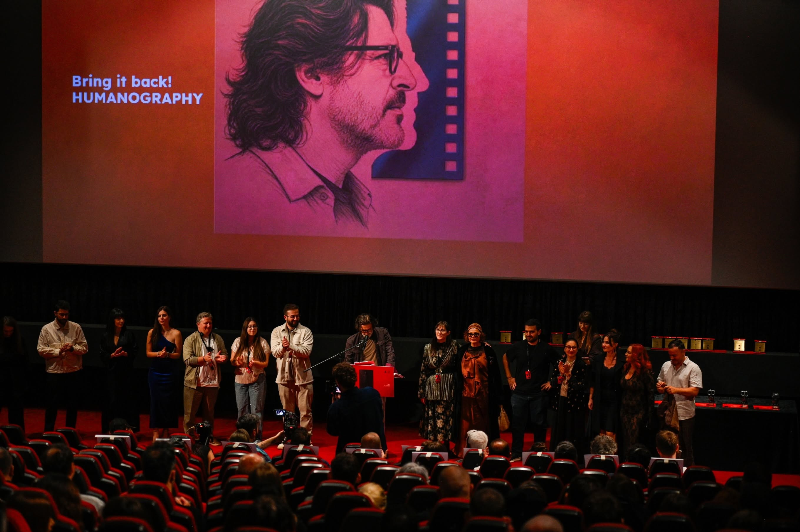
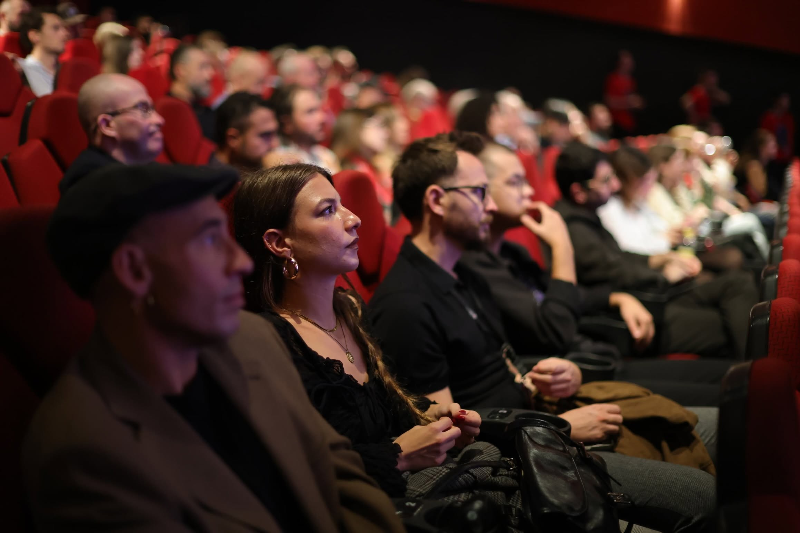
Кінофестиваль, який тривав у чотирьох Просторах столиці — в Університеті мистецтв, кінотеатрі Agimi, Піраміді Тирани та Film Zone на площі Матері Терези, де показали близько 220 фільмів, створених від 2012 року донині. За даними організаторів, фестивальні покази та події відвідали близько 20 тисяч глядачів.
Tirana International Film Festival
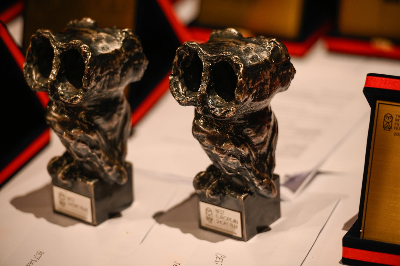
Головну нагороду — Film Festival Cup — отримав фільм Джентьяна Кочі «Чашка кави та нове взуття» (A Cup of Coffee and New Shoes On). Найкращою акторкою стала Адріана Матоші за роль у «Місячному парку» (Luna Park), найкращим актором — Блерім Дестані за «Амстердамський експрес» (Amsterdam Express), а нагороду за режисуру отримав Джердж Хувані за «Моє озеро» (My Lake). За найкращий дебют і операторську роботу відзначили «Відкриті двері» (Open Door) Флоренца Папаса та операторку Севдіє Кастраті.
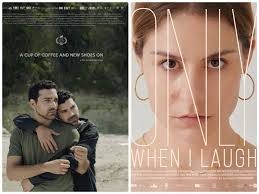
«Чашка кави та нове взуття»? 2022
Останній, 13-й, Національний кінофестиваль відбувся 2012 року, після чого, за словами художнього директора нинішнього фестивалю Іліра Бутки, албанська кіноіндустрія зіткнулася з недостатнім обсягом виробництва, браком фінансування та проблемами з організацією самого фестивалю. Організатор пояснив, що в перші роки роботи Національного центру кінематографії не вистачало фільмів для регулярного фестивалю, а згодом проведення великої події вимагало бюджету, який доводилося віднімати від фінансування виробництва. Журналістка Фатміра Нікколлі додала ще одну проблему: фільми в Албанії створювалися, але часто залишалися без належного промоушену та дистрибуції. За її словами, саме ця розірваність між виробництвом і глядачем стала однією з головних проблем албанського кіно.
Tirana International Film Festival
Міжнародна кінопреса вже давно звертає увагу на фільм, який цього року отримав головний приз фестивалю. «Чашка кави та нове взуття» (A Cup of Coffee and New Shoes On) — друга повнометражна робота Джентьяна Кочі — ще після прем'єри в Таллінні була названа Венді Айд у Screen Daily «superb» албанською драмою; критикиня особливо відзначила акторські роботи португальських братів Рафаеля та Едгара Мораїса і точність режисерської роботи з тишею, звуком та поступовою втратою героями звичного світу. Марко Стоїлкович у Cineuropa також писав про стриману, майже аскетичну режисуру Кочі та його увагу до деталей, хоча зауважив, що в другій половині фільму темп дещо сповільнюється.
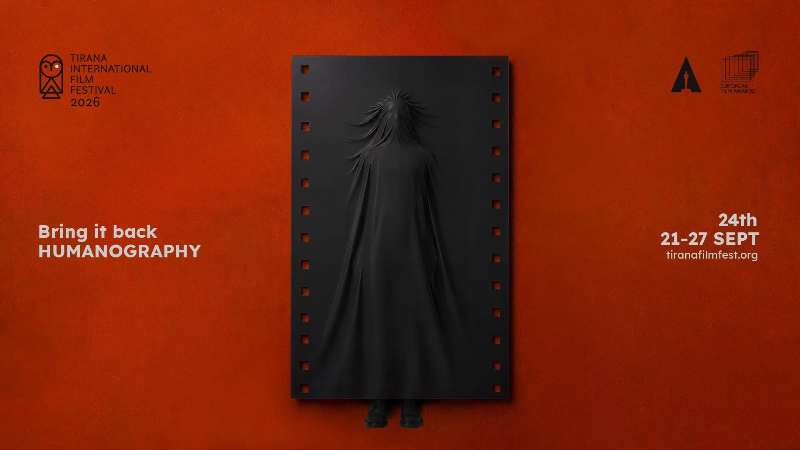
Для албанського кіно це показовий момент: фестиваль, який після довгої перерви намагався повернути національне кіно місцевій аудиторії, головним призом відзначив стрічку, що ще до цього встигла пройти міжнародний фестивальний шлях і привернути увагу професійної кінопреси. Показово й те, що вже 21–27 вересня, майже одразу після завершення національного фестивалю, у Тирані відбувся 24-й Тиранський міжнародний кінофестиваль (Tirana International Film Festival) — 229 фільмів із 71 країни.
After 14 Years of Silence: Albania Revives Its National Film Festival
After a 14-year hiatus, Albania has revived its National Film Festival, bringing the country’s cinema back to audiences in Tirana. The festival was staged across four venues in the capital — the University of Arts, Agimi Cinema, the Pyramid of Tirana and the Film Zone at Mother Teresa Square — with around 220 films made between 2012 and the present day screened over the course of the event. According to the organisers, around 20,000 people attended screenings and festival events.
The festival’s top prize, the Film Festival Cup, went to Gentian Koçi’s A Cup of Coffee and New Shoes On (Një filxhan kafe dhe këpucë të reja veshur). Adriana Matoshi was named Best Actress for her performance in Luna Park, while Blerim Destani won Best Actor for Amsterdam Express. The Best Director award went to Gjergj Xhuvani for My Lake. Florenc Papas’s Open Door received the award for Best Debut, while cinematographer Sevdije Kastrati was recognised for her work.
The previous, 13th National Film Festival was held in 2012. According to Ilir Butka, the artistic director of this year’s festival, Albania’s film industry subsequently faced a combination of limited production, inadequate funding and difficulties in sustaining the festival itself. He explained that during the early years of the National Film Centre there were not enough films being produced to support a regular national festival; later, the cost of staging such an event had to be weighed against funding that could otherwise have gone towards film production. Journalist Fatmira Nikolli has pointed to another longstanding problem: films were being made in Albania, but often failed to receive adequate promotion and distribution. The resulting gap between production and audiences, she argued, became one of the central weaknesses of Albanian cinema. For much of the past 14 years, Albanian audiences therefore had few opportunities to see their national cinema on a regular basis beyond individual premieres.
The film that took the festival’s main prize had already attracted attention on the international circuit. A Cup of Coffee and New Shoes On, the second feature by Gentian Koçi, was described by Wendy Ide in Screen Daily as a “superb” Albanian drama following its premiere in Tallinn. Ide singled out the performances of Portuguese brothers Rafael and Edgar Morais, as well as Koçi’s precise handling of silence and sound and his depiction of the brothers’ gradual loss of the world they know. Writing for Cineuropa, Marko Stojiljković likewise praised Koçi’s restrained, almost austere direction and his attention to detail, while noting that the film’s pace slows somewhat in its second half. The award is significant for Albanian cinema: a festival seeking to reconnect national filmmaking with its domestic audience has chosen as its winner a film that had already travelled through the international festival circuit and attracted the attention of specialist film critics. The timing was also notable. Just days after the national festival ended, Tirana hosted the 24th Tirana International Film Festival, held from 21 to 27 September, with 229 films from 71 countries.
181