©
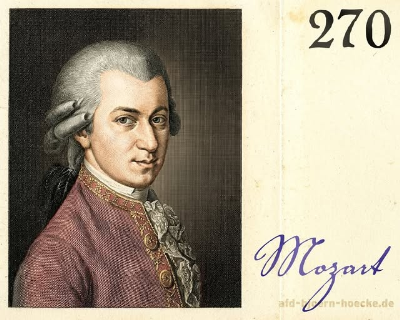
Mozart Week 2026 у Зальцбурзі став не просто черговим фестивальним сезоном, а кульмінацією подвійного ювілею, що має символічне значення для європейської музичної культури. Незабаром світ відзначатиме 270 років від дня народження Вольфганга Амадея Моцарта та 70-річчя заснування Зальцбурзького Mozart Week — фестивалю, який від 1956 року вважається головним міжнародним майданчиком осмислення його спадщини. Художній директор фестивалю Роландо Вільясон окреслює концепцію 2026 року як повернення до моменту, коли Моцарт «став безсмертним». Саме 1791 рік — рік смерті композитора — визначено центральною темою всієї програми. Під гаслом Mozart: lux æterna фестиваль пропонує погляд на творчість Моцарта як на джерело світла, що не згасає з часом і продовжує формувати музичну уяву Європи. Ключовою подією ювілейного року стане нова постановка опери «Чарівна флейта», створена Міжнародним фондом «Моцартеум». Над проєктом спільно працюють усі три підрозділи інституції — мистецький, науковий і музейний, що надає постановці рідкісної цілісності. За драматургічну концепцію відповідає науковий директор фонду Ульріх Ляйзінґер, музейний напрям координує Лінус Клумпнер, який паралельно готує спеціальні виставкові проєкти у двох Музеях Моцарта. Візуальний світ постановки звертається до колористики Марка Ротка — художника, який захоплювався музикою Моцарта, — а музичне керівництво здійснює головний диригент Оркестру Моцартеума Зальцбурга Роберто Ґонсалес-Моньяс. У проєкті задіяно ансамбль провідних сучасних виконавців: Кетрін Левек у партії Цариці ночі, Франц-Йозеф Зеліг як Заростро, а також молоде покоління співаків, уже добре знане провідним оперним сценам Європи та США.
Mozart’s Eternal Light: Salzburg Prepares for the Jubilee Mozart Week 2026
Mozart Week 2026 in Salzburg will be far more than a routine festival season. It marks the culmination of a double anniversary of symbolic importance for European musical culture. Next year, the world will celebrate the 270th anniversary of Wolfgang Amadeus Mozart’s birth, alongside the 70th anniversary of the founding of Salzburg’s Mozart Week—a festival that, since 1956, has been regarded as the leading international forum for engaging with Mozart’s legacy. The festival’s artistic director, Rolando Villazón, frames the concept of the 2026 edition as a return to the moment when Mozart “became immortal”. The year 1791—the year of the composer’s death—has therefore been chosen as the central thematic axis of the entire programme. Under the motto Mozart: lux æterna, the festival invites audiences to view Mozart’s work as a source of light that does not fade with time and continues to shape Europe’s musical imagination. The centrepiece of the jubilee year will be a new production of The Magic Flute, created by the International Mozarteum Foundation. All three branches of the institution—artistic, academic and museum—are jointly involved in the project, lending the production a rare sense of cohesion. Dramaturgical responsibility lies with the Foundation’s Scientific Director, Ulrich Leisinger, while the museum dimension is coordinated by Linus Klumpner, who is also preparing a series of special exhibitions across the two Mozart Museums. The visual language of the production draws inspiration from the colour world of Mark Rothko, an artist deeply fascinated by Mozart’s music, while musical direction is entrusted to Roberto González-Monjas, Principal Conductor of the Mozarteum Orchestra Salzburg. The cast brings together leading voices of today’s operatic scene: Kathryn Lewek as the Queen of the Night, Franz-Josef Selig as Sarastro, alongside a younger generation of singers already well known on major opera stages across Europe and the United States.
3147