© en.vijesti.me
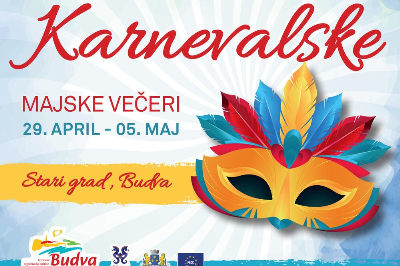
На чорногорському узбережжі туристичний сезон традиційно починається не з офіційних заяв, а з руху, музики і кольору — карнавалу у Будві. Подія, що щороку збирає тисячі учасників і глядачів, сьогодні сприймається не лише як святкування, а як символічний старт нового культурного циклу на Адріатиці. За своєю суттю цей карнавал — сучасне продовження давньої середземноморської традиції. Його корені сягають періоду, коли Будва перебувала під впливом Венеційської республіки (XV–XVIII століття). Саме тоді на узбережжі сформувалася культура маскарадів, процесій і публічних свят, пов’язаних із завершенням зими та початком нового життєвого ритму.У сучасному вигляді карнавал відродили у другій половині ХХ століття, а вже на початку 2000-х він вийшов за межі локального свята, ставши частиною Європейської федерації карнавальних міст (FECC). Відтоді Будва впевнено закріпила за собою статус одного з карнавальних центрів Адріатики. Програма 2026 року зберігає цю логіку руху і простору. Вона розпочинається 30 квітня абрумом — святковою процесією вздовж узбережжя від Петроваца до Рафаїловичів. Наступного дня події переміщуються до Старого міста Будви, а 2 травня відбувається головна карнавальна хода — масштабна, відкрита і традиційно міжнародна за складом учасників. Сьогодні Будванський карнавал залишається однією з ключових подій узбережжя. Його особливість — у балансі: між народним святом і режисованим видовищем, між історією і сьогоденням. І цей баланс має цілком відчутний економічний вимір. За даними державної статистичної служби Чорногорії (MONSTAT), у 2025 році країну відвідали близько 2,7 мільйона туристів, які забезпечили понад 15,3 мільйона ночівель. Основний потік, як і раніше, концентрується на узбережжі — передусім у Будві, Которі та Тіваті.
Tourist season opens on the Adriatic as Budva launches it with a carnival
On Montenegro’s Adriatic coast, the tourist season does not begin with official announcements, but with movement, music and colour — the Budva Carnival. Each year, the event draws thousands of participants and spectators, and today it is seen not merely as a celebration, but as a symbolic opening of a new cultural cycle along the Adriatic. At its core, the carnival is a contemporary continuation of an older Mediterranean tradition. Its roots reach back to the period when Budva was under the influence of the Venetian Republic (15th–18th centuries). It was during this time that a culture of masquerades, processions and public festivities took shape along the coast, marking the end of winter and the beginning of a new rhythm of life. In its modern form, the carnival was revived in the second half of the 20th century, and by the early 2000s it had moved beyond a local celebration to become part of the Federation of European Carnival Cities (FECC). Since then, Budva has steadily established itself as one of the Adriatic’s key carnival centres. The 2026 programme follows this same logic of movement and space. It begins on 30 April with an abrum — a festive procession along the coastline from Petrovac to Rafailovići. The following day, events shift to Budva’s Old Town, while 2 May marks the main carnival parade — large-scale, open and traditionally international in its line-up of participants. Today, the Budva Carnival remains one of the defining events of the Montenegrin coast. Its distinctiveness lies in its balance — between folk celebration and staged spectacle, between history and the present moment. This balance also has a tangible economic dimension. According to the Statistical Office of Montenegro (MONSTAT), the country welcomed around 2.7 million tourists in 2025, accounting for more than 15.3 million overnight stays. As in previous years, the bulk of this activity is concentrated along the coast — particularly in Budva, Kotor and Tivat.
2405