© kultura.wp.pl
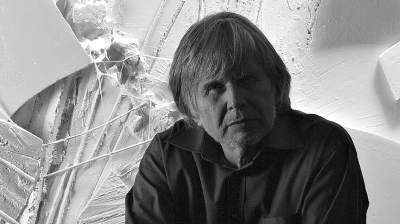
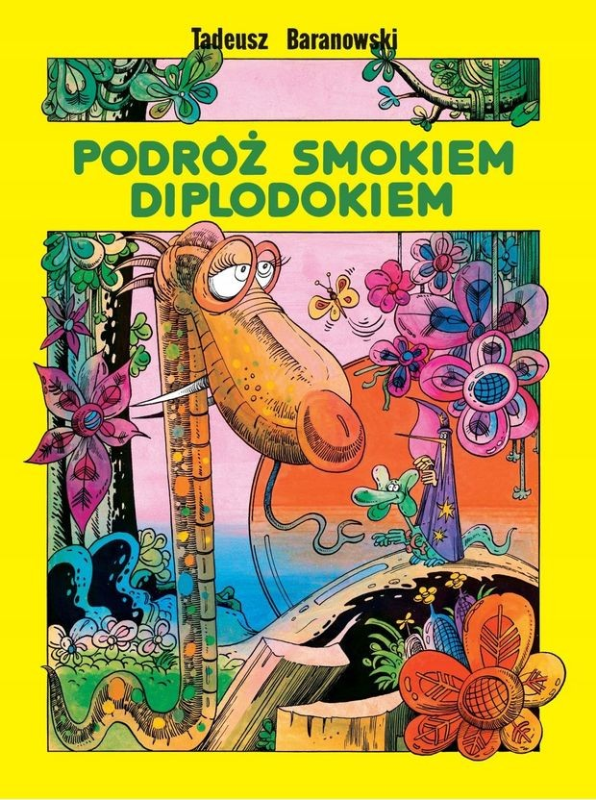
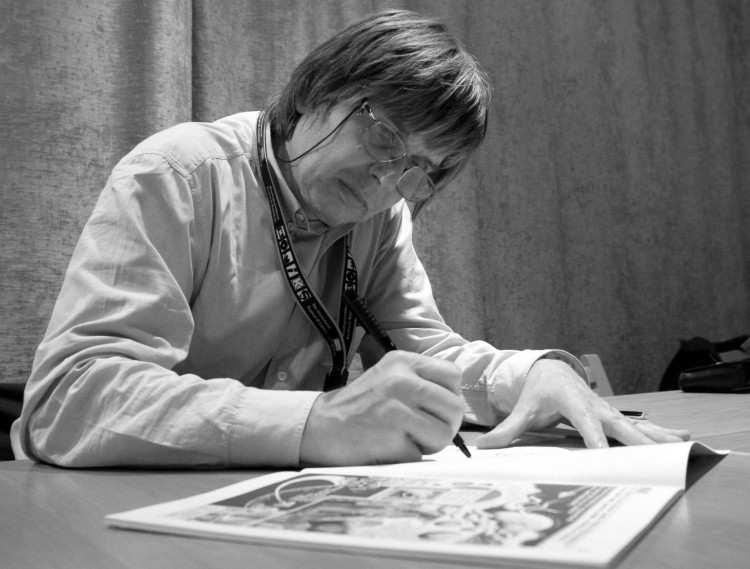
7 липня 2026 року у віці 81 року помер один із найвидатніших польських художників-коміксистів Тадеуш Барановський. Про його смерть повідомили організатори Міжнародного фестивалю коміксу та ігор у Лодзі. У Польщі його називають не просто класиком жанру, а митцем, який сформував уяву кількох поколінь читачів. Його герої — Смок Диплодок, професор Нервосолек, Орієнт Мен, вампіри Шлурп і Бурп, Бомбель і Кудлачек — давно стали частиною польської популярної культури. Художник фактично змінив саме розуміння коміксу як мистецтва.
dzieje.pl
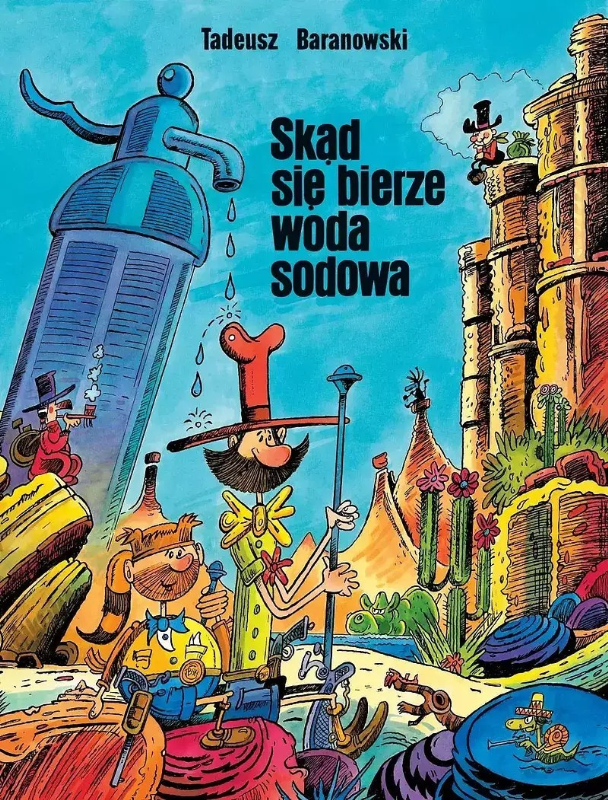
Його історії були побудовані на парадоксах, сюрреалізмі, грі зі словом і формою. Персонажі усвідомлювали, що перебувають усередині коміксу, могли сперечатися з автором, виходити за межі кадрів або змінювати правила власної історії. Барановський експериментував із композицією сторінки, руйнував традиційну структуру оповіді та наповнював кожен кадр десятками деталей, які створювали додаткові смисли. Його комікси захоплювали дітей пригодами,а дорослих — тонкою сатирою, мовними каламбурами та алюзіями на життя в Польській Народній Республіці.
kultura.wp.pl
У своєму останньому великому інтерв'ю для Culture.pl (2024)і, художник зізнавався, що ніколи не був повністю задоволений власною творчістю. Він говорив, що всі його персонажі «виросли з нього самого та навколишньої реальності». Барановський згадував, що разом із дружиною та двома дітьми роками жив у квартирі площею лише 16 квадратних метрів, а його знамениті «провінційні вампіри» Шлурп і Бурп були своєрідним відображенням життя звичайних людей у соціалістичній Польщі. Він також відверто розповів про боротьбу з онкологічним захворюванням, яке поступово позбавляло його сил для творчості, хоча працювати він не припиняв майже до останніх днів.
kultura.wp.pl
Історична довідка:
Тадеуш Барановський народився 6 січня 1945 року в Замості. Закінчив факультет графіки та живопису Академії образотворчих мистецтв у Варшаві. Його викладачами були видатні польські плакатист Генрик Томашевський та ілюстратор Ян Марцін Шанцер. Кар'єру коміксиста розпочав 1973 року в легендарному журналі „Świat Młodych”, а згодом співпрацював із культовим журналом „Relax”. У середині 1980-х працював у Франції, однак відмовився від перспективної співпраці над серією «Торгал», оскільки не хотів підлаштовувати власний стиль під вимоги франкомовного ринку.
Паралельно Барановський займався живописом, книжковою ілюстрацією, дизайном та створював художні рішення для анімаційних фільмів.Його книги перевидаються десятиліттями, а багато фраз із коміксів давно стали частиною повсякденної мови. Одним із його найвідоміших висловів стала творча порада: «Найважливіше — звільнити голову від стереотипів і схем».
Саме ця фраза сьогодні дедалі частіше з'являється у польських спогадах про митця як своєрідне творче кредо Барановського.
В одному з останніх інтерв'ю він навіть зізнався, що якби мав вибір, то «обміняв би коміксову славу на малярську». Водночас саме його комікси залишаться тим, що об'єднуватиме різні покоління польських читачів.
Tadeusz Baranowski, the Polish comics pioneer who shaped generations of readers, dies aged 81
Tadeusz Baranowski, one of Poland’s most distinguished comics artists, died on 7 July 2026 at the age of 81. His death was announced by the organisers of the International Festival of Comics and Games in Łódź. In Poland, he is remembered not merely as a classic of the genre, but as an artist who shaped the imaginations of several generations of readers. His characters — Diplodocus the Dragon, Professor Nervosolek, Orient Men, the vampires Szlurp and Burp, Bąbelek and Kudłaczek — have long been part of Polish popular culture. Baranowski effectively transformed the way comics themselves were understood as an art form. His stories were built around paradox, surrealism and playful experimentation with language and form. His characters knew they existed inside a comic strip: they could argue with their creator, step beyond the borders of a panel or rewrite the rules of their own stories. Baranowski experimented with page composition, dismantled conventional narrative structures and filled each frame with dozens of details that added further layers of meaning. His comics captivated children with their adventures, while offering adults subtle satire, linguistic wordplay and allusions to everyday life in the Polish People’s Republic. In his final major interview, published by Culture.pl in 2024, Baranowski admitted that he had never been entirely satisfied with his own work. All his characters, he said, had ‘grown out of himself and the reality around him’. He recalled spending years living with his wife and two children in a flat measuring just 16 square metres. His celebrated ‘provincial vampires’, Szlurp and Burp, were in part a reflection of the lives of ordinary people in socialist Poland. He also spoke candidly about his battle with cancer, which gradually deprived him of the strength to create, although he continued working almost until his final days.
Background
Tadeusz Baranowski was born on 6 January 1945 in Zamość. He studied graphic art and painting at the Academy of Fine Arts in Warsaw, where his teachers included the celebrated Polish poster artist Henryk Tomaszewski and the illustrator Jan Marcin Szancer. He began his career as a comics artist in 1973, working for the legendary magazine Świat Młodych, and later contributed to the cult publication Relax. In the mid-1980s, he worked in France but turned down the prospect of a promising collaboration on the Thorgal series because he was unwilling to adapt his distinctive style to the expectations of the French-language market. Alongside his comics, Baranowski worked in painting, book illustration and design, and developed visual concepts for animated films. His books have remained in print for decades, while many phrases from his comics have entered everyday Polish speech. One of his best-known pieces of creative advice was: ‘The most important thing is to free your mind from stereotypes and formulas.’ The phrase has appeared with increasing frequency in Polish tributes to the artist, serving as a fitting expression of Baranowski’s creative philosophy. In one of his final interviews, he admitted that, given the choice, he would have ‘traded his fame as a comics artist for recognition as a painter’. Yet it is his comics that will continue to bring together different generations of Polish readers.Today, Tadeusz Baranowski is remembered as an artist who demonstrated that comics could be more than entertainment: they could be a fully realised art form — intellectual, poetic and philosophical, yet still infused with the unfettered imagination of childhood.
1948