©
У 2025 році різдвяна ілюмінація в європейських столицях знову стала не лише елементом святкового декору, а й важливою складовою міського брендингу, туристичної привабливості та культурної політики. Міста інвестують у світло як у спосіб формування спільного публічного простору, поєднуючи традицію, сучасний дизайн і технології.
Вільнюс (Литва)
Після отримання титулу European Capital of Christmas 2025 відкрив святковий сезон урочистим запаленням головної ялинки на Кафедральній площі. Центральна ялинка висотою близько 20 метрів прикрашена приблизно 25 тисячами і сотнями декоративних елементів. Святкове освітлення охоплює близько 15–20 км вулиць. Ілюмінація доповнюється світловими арками та тематичними інсталяціями з природними й «лісовими» мотивами. Світло інтегроване в ширшу програму — різдвяний ярмарок, ковзанку та святковий поїзд.
Мадрид (Іспанія)
У 2025 році залишається одним із лідерів Європи за масштабом різдвяного освітлення. Святкові вогні простягаються більш ніж на 230 км і охоплюють близько 200 міських локацій. Гран-Віа прикрашена десятками світлових арок зі сніжинковими мотивами, а центральна ялинка заввишки понад 30 метрів стає домінантою міського простору.
Париж (Франція). Париж робить ставку на символічність і візуальну впізнаваність. У 2025 році понад мільйон вогнів освітлюють Шанз-Елізе та прилеглі райони. Центральними елементами залишаються світлові композиції на головних авеню та ялинка біля мерії міста. Париж використовує світло як частину естетики міста, зберігаючи баланс між розкішшю й стриманістю.
Відень (Австрія)
Відень традиційно тяжіє до камерності. Святкове освітлення охоплює близько 30–40 км, а ключовим простором залишається площа перед Ратушею з центральною ялинкою та різдвяним ярмарком. Місто робить акцент на теплій атмосфері й класичній європейській різдвяній естетиці.
Прага (Чехія)
У Празі світло інтегрується в культурні проєкти. Окрім ялинки на Староміській площі, у 2025 році привертає увагу виставка світлового мистецтва Europe — Story of Lights, а також нічні світлові круїзи Влтавою. Загалом ілюмінація охоплює близько 25–30 км міського простору.
Будапешт (Угорщина)
У 2025 році святкове освітлення у Будапешті охоплює приблизно 20–30 км вулиць, зосереджених переважно в історичному центрі та вздовж Дунаю. Центральним простором Різдвяного сезону залишається площа Святого Іштвана, де встановлюють головну ялинку, світлові арки та інтерактивні інсталяції, інтегровані з різдвяним ярмарком. Окрему візуальну вісь формує Дунай: мости та набережні отримують додаткову святкову підсвітку, а вечірні прогулянки між Пештом і Будою перетворюються на цілісний світловий маршрут. Будайська фортеця та Королівський палац також підкреслені м’яким теплим світлом, що поєднує різдвяну атмосферу з історичною величчю міста.
Київ (Україна)
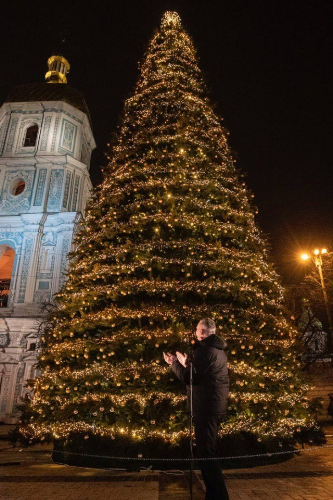
У 2025 році різдвяне світло Києва набуває передусім символічного значення, стаючи мовою стійкості, пам’яті та спільності в умовах тривалої війни. Святкова ілюмінація має стриманий характер і зосереджується на ключових публічних просторах міста — Софійській та Михайлівській площах, Хрещатику, Подолі. Центральним елементом різдвяного сезону залишається ялинка, оформлена без надмірної пишності, з акцентом на національні мотиви та тепле світло. Освітлення використовує енергоощадні рішення й часто поєднується з благодійними ініціативами, культурними подіями та різдвяними ярмарками. У Києві світло не прагне масштабності — воно виконує роль знаку незламності міста та його здатності зберігати традиції й людяність навіть у найскладніші часи.
Christmas Light as the Language of the City: From the Mega-Spectacles of Madrid and Paris to Symbolic Kyiv
In 2025, Christmas illumination in European capitals once again became more than a festive decoration. It emerged as an important component of city branding, tourist appeal and cultural policy. Cities invest in light as a way of shaping shared public space, combining tradition, contemporary design and technology.
Vilnius (Lithuania)
After receiving the title European Capital of Christmas 2025, Vilnius opened the festive season with the ceremonial lighting of the main Christmas tree on Cathedral Square. The central tree, around 20 metres high, is decorated with approximately 25,000 light elements and hundreds of ornaments. Festive lighting covers about 15–20 kilometres of streets and is complemented by illuminated arches and thematic installations inspired by nature and forest motifs, integrated into a wider programme that includes a Christmas market, an ice rink and a festive train. Christmas in Vilnius is traditionally greeted with the words: Linksmų Kalėdų!
Madrid (Spain)
In 2025, Madrid remains one of Europe’s leaders in terms of the scale of Christmas illumination. Festive lights stretch for more than 230 kilometres and cover around 200 locations across the city. Gran Vía is adorned with dozens of illuminated arches featuring snowflake motifs, while a central Christmas tree over 30 metres tall dominates the urban landscape. The festive atmosphere is accompanied by the warm greeting: Feliz Navidad.
Paris (France)
Paris focuses on symbolism and visual recognisability. In 2025, more than one million lights illuminate the Champs-Élysées and surrounding areas. The central elements remain light compositions along the main avenues and the Christmas tree near City Hall. Paris uses light as part of its urban aesthetic, maintaining a balance between splendour and restraint. During the festive season, the city greets visitors with the words: Joyeux Noël.
Vienna (Austria)
Vienna traditionally favours a more intimate atmosphere. Festive lighting covers around 30–40 kilometres, with the square in front of City Hall remaining the key space, featuring the central Christmas tree and a Christmas market. The city emphasises warmth and classic European Christmas aesthetics. Christmas in Vienna sounds like: Frohe Weihnachten.
Prague (Czech Republic)
In Prague, light is integrated into cultural projects. Alongside the Christmas tree on Old Town Square, the 2025 season draws attention to the light art exhibition Europe — Story of Lights, as well as night-time illuminated cruises on the Vltava River. Overall, the illumination covers around 25–30 kilometres of urban space. Festive greetings in Prague traditionally sound like: Veselé Vánoce.
Budapest (Hungary)
In 2025, Budapest uses Christmas illumination to highlight the city’s historic panorama and natural landscape. Festive lighting covers approximately 20–30 kilometres of streets, concentrated mainly in the city centre and along the Danube. St Stephen’s Square, with its main Christmas tree, illuminated arches and interactive installations, becomes the central hub of the festive season. Bridges, riverbanks and Buda Castle form a unified light panorama of the city. The Hungarian Christmas greeting heard here is: Boldog karácsonyt!
Kyiv (Ukraine)
In 2025, Kyiv’s Christmas lighting takes on a primarily symbolic meaning, becoming a language of resilience, remembrance and solidarity amid a prolonged war. Festive illumination is restrained in character and concentrated in the city’s key public spaces — St Sophia’s Square, St Michael’s Square, Khreshchatyk and Podil. The central element of the Christmas season remains the Christmas tree, designed without excessive grandeur, with an emphasis on national motifs and warm light. The lighting relies on energy-efficient solutions and is often combined with charitable initiatives, cultural events and Christmas markets. In Kyiv, light does not seek scale; it serves as a sign of the city’s resilience and its ability to preserve tradition and humanity even in the most difficult times.
1907