© Tantsuansambel Kuljus
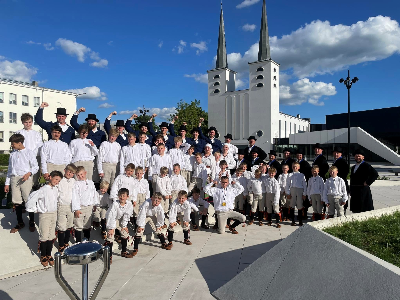
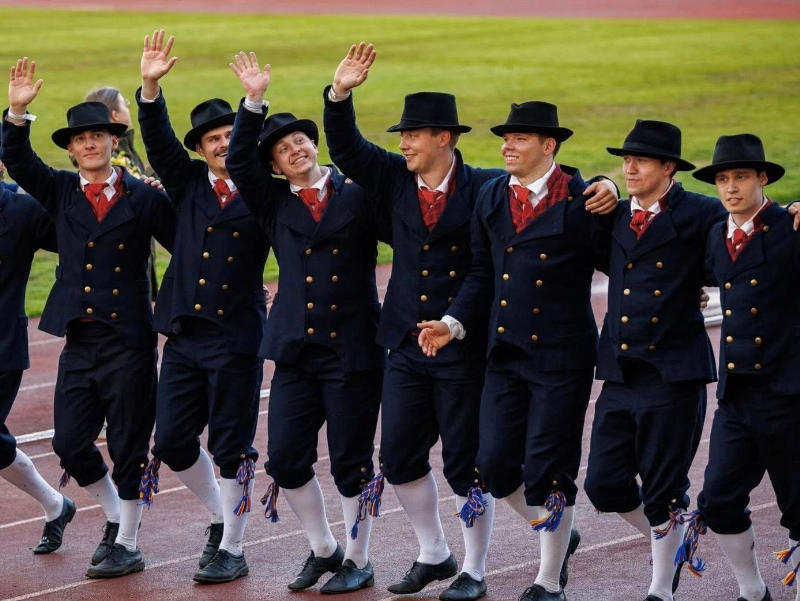
У естонському місті Раквере 6–7 червня пройшло п’яте загальнонаціональне Свято чоловічого танцю «Viiekordne», яке стало однією з найяскравіших культурних подій року та зібрало понад 3,5 тисячі виконавців із різних регіонів країни. Ювілейний фестиваль приурочили до двадцятиріччя першого Всеестонського свята чоловічого танцю, започаткованого у 2006 році. Авторкою концепції фестивалю є відома естонська хореографиня Майє Орав (Maie Orav), яку в країні вважають засновницею сучасної традиції чоловічих танцювальних свят. Художньою керівницею та режисеркою цьогорічної постановки стала Авелі Асбер (Aveli Asber), котра працює з фольклорними колективами Тартуського університету. Символічна назва «Viiekordne» («П’ятикратний») відсилає не лише до п’ятого проведення фестивалю. За задумом організаторів, вона відображає п’ять основних ролей чоловіка в суспільстві — сина, батька, дідуся, чоловіка та брата.
Tantsuansambel Kuljus
Саме навколо цієї ідеї побудовано драматургію святкової програми. До участі запросили танцюристів різних поколінь — від молодших школярів до досвідчених фольклорних ансамблів. Частина репертуару складалася з нових постановок, створених спеціально до ювілею, водночас у програмі були представлені й танці, поставлені Майє Орав у попередні роки. Чоловіче свято танцю є окремою складовою масштабної естонської традиції народних співочих і танцювальних фестивалів, що визнана ЮНЕСКО елементом нематеріальної культурної спадщини людства.

Основна мета заходу — популяризація народної хореографії, збереження регіональних традицій та залучення молоді до національної культури. У постановках використовуються характерні для естонського фольклору кругові побудови, синхронні групові композиції та мотиви сільського життя. Через танець відтворюються праця, родинні зв’язки, громада, взаємодопомога та наступність поколінь. Саме ці цінності організатори називають основою сучасної естонської ідентичності. Прем’єрний показ отримав позитивні відгуки місцевих оглядачів. Естонська преса відзначила високий рівень виконавської дисципліни, точність масових композицій та емоційність постановки. У рецензіях особливо наголошувалося на поєднанні сили чоловічого танцю з ліричними елементами сценічної дії та символічній подяці Майє Орав за її внесок у розвиток фестивалю.Кінець форми.
Three Thousand Estonian Men Showcase the Power of National Folk Dance
On 6–7 June, the Estonian city of Rakvere hosted the fifth nationwide Men’s Dance Festival “Viiekordne”, one of the country’s most significant cultural events of the year, bringing together more than 3,500 performers from across Estonia. The anniversary edition of the festival marked the 20th anniversary of the first All-Estonian Men’s Dance Festival, which was launched in 2006. The concept was created by renowned Estonian choreographer Maie Orav, widely regarded as the founder of the modern tradition of men’s dance festivals in Estonia. This year’s artistic director and stage producer was Aveli Asber, who works with the folk dance ensembles of the University of Tartu. The symbolic title “Viiekordne” (“Fivefold”) refers not only to the festival’s fifth edition. According to the organizers, it also represents the five key roles a man plays in society: son, father, grandfather, husband, and brother. The entire performance was built around this central idea. Dancers of all generations took part, from primary school pupils to experienced folk ensembles. The programme combined newly created choreographies for the anniversary with dances originally staged by Maie Orav over the past two decades. The Men’s Dance Festival forms part of Estonia’s broader tradition of national song and dance celebrations, which UNESCO has recognized as an element of the Intangible Cultural Heritage of Humanity. Its primary mission is to promote folk choreography, preserve regional traditions, and encourage younger generations to engage with the country’s cultural heritage. The performances incorporate characteristic elements of Estonian folklore, including circular formations, synchronized group movements, and scenes inspired by rural life. Through dance, participants celebrate work, family ties, community spirit, mutual support, and continuity between generations—values that organizers describe as fundamental to contemporary Estonian identity. The premiere performance received enthusiastic reviews from local critics. Estonian media praised the dancers’ discipline, the precision of the large-scale choreographic formations, and the emotional depth of the production. Reviewers also highlighted the successful combination of strength and lyrical expression in the choreography while paying tribute to Maie Orav for her lasting contribution to the development of the festival.
1998