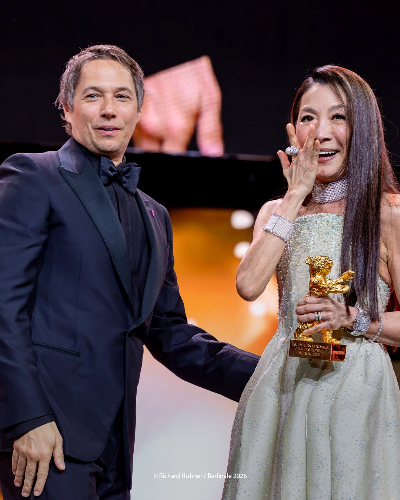
© Facebook Berlinale - Berlin International Film Festival
76-й Берлінський міжнародний кінофестиваль, який триватиме до 22 лютого, традиційно входить до трійки найвпливовіших кіноподій світу поряд із фестивалями в Каннах і Венеції. Проте цього року увага прикута не лише до конкурсних прем’єр, а й до гострих політичних дискусій, що розгорнулися навколо фестивалю. Берлінале урочисто відкрився показом фільму No Good Men режисерки Шарбану Садат — історії про жінку-операторку в Кабулі, яка поєднує іронію та драму в умовах глибоких соціальних трансформацій. Під час церемонії відкриття акторці Мішель Єо вручили почесну «Золоту ведмедицю» за внесок у світовий кінематограф. У головній конкурсній програмі цього року змагаються 22 фільми з різних країн, що охоплюють широкий спектр тем — від історичних драм до політично заряджених соціальних маніфестів. Втім, фестиваль швидко опинився в центрі міжнародної суперечки. Голова журі, німецький режисер Вім Вендерс, заявив на пресконференції, що кіно «повинно змінювати людей, а не займатися політикою». Його слова викликали хвилю критики з боку кінематографістів і письменників. Індійська авторка Арундхаті Рой відмовилася від участі у заході, наголосивши на необхідності чіткішої громадянської позиції культурних інституцій. Понад 80 відомих режисерів і акторів, серед яких Хав’єр Бардем і Тільда Свінтон, підписали відкритий лист із вимогою до організаторів публічно висловитися щодо конфлікту в Газі. Автори звернення звинуватили фестиваль у «мовчанні» та припустили наявність цензурних обмежень для митців. На цьому тлі конкурсна програма виглядає особливо напруженою. Серед фаворитів критики називають австрійсько-німецьку стрічку Rose, турецько-французький фільм Gelbe Briefe (Yellow Letters) про митців під тиском репресивних режимів, а також нову роботу британського режисера Гранта Джі. Багато з цих фільмів прямо чи опосередковано торкаються тем влади, відповідальності та меж свободи. Українське кіно представлене в секції Panorama Dokumente, де відбудеться світова прем’єра документального фільму «Сліди» режисерок Аліси Коваленко та Марисі Нікітюк. Стрічка, що досліджує тему сексуального насильства під час війни, вже привернула увагу міжнародної спільноти й має виразний суспільний резонанс.
Berlinale 2026 Fails to Maintain Neutrality Amid Global Crisis
The 76th Berlin International Film Festival, which runs until 22 February, traditionally ranks among the three most influential film events in the world alongside Cannes and Venice. This year, however, attention has been drawn not only to the competition premieres but also to the sharp political debates unfolding around the festival. Berlinale opened ceremonially with the screening of No Good Men by director Shahrbanoo Sadat — a story about a female camera operator in Kabul that blends irony and drama against the backdrop of profound social transformation. During the opening ceremony, Michelle Yeoh was awarded an honorary Golden Bear for her contribution to world cinema.
This year’s main competition features 22 films from various countries, spanning a broad spectrum of themes — from historical dramas to politically charged social manifestos. Yet the festival quickly found itself at the centre of international controversy. The head of the jury, German director Wim Wenders, stated at a press conference that cinema “should change people, not engage in politics.” His remarks sparked a wave of criticism from filmmakers and writers. Indian author Arundhati Roy withdrew from participation in the event, emphasising the need for cultural institutions to adopt a clearer civic stance.
More than 80 prominent directors and actors, including Javier Bardem and Tilda Swinton, signed an open letter urging organisers to publicly address the conflict in Gaza. The signatories accused the festival of “silence” and suggested the existence of censorship affecting artists. Against this backdrop, the competition programme appears particularly tense. Critics have singled out the Austrian-German film Rose, the Turkish-French production Gelbe Briefe (Yellow Letters) about artists under pressure from repressive regimes, and a new work by British director Grant Gee as frontrunners. Many of these films directly or indirectly explore themes of power, responsibility and the limits of freedom.
Ukrainian cinema is represented in the Panorama Dokumente section, where the documentary Traces by directors Alisa Kovalenko and Marysia Nikitiuk will have its world premiere. The film, which examines sexual violence during wartime, has already drawn international attention and carries significant social resonance.
2014