© Facebook Juliusz Słowacki Theatre
У Польщі театральний сезон рідко підсумовують списками «найкращого». Тут інша логіка: увага зосереджена не на рейтингах, а на виставах, які змінюють саму розмову про театр — виходять за межі сцени і втручаються у суспільний контекст. Уявлення про ключові театральні події формують насамперед провідні польські критики — зокрема Роман Павловський (Gazeta Wyborcza), Яцек Сєрадзький (Dialog) та Лукаш Древняк, чиї рецензії та аналітичні тексти визначають професійний дискурс. Цей підхід чітко простежується у публікаціях Gazeta Wyborcza, Polityka та профільного журналу Dialog, а також у програмах фестивалів — від краківської Boska Komedia до варшавських Warszawskie Spotkania Teatralne. На цьому тлі кілька постановок продовжують визначати тон дискусії і в сезоні 2025–2026 років.
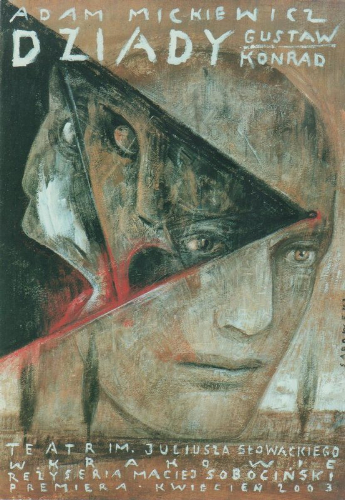
1. «Дзяди» (Dziady)
Театр імені Юліуша Словацького (Краків) | режисерка: Мая Клечевська | автор: Адам Міцкевич.
.Постановка Майї Клечевської стала однією з найгучніших театральних подій останніх років у Польщі. Вона регулярно з’являється у публічних дискусіях як приклад театру, що працює з політичною реальністю. Критики відзначають, що ця інтерпретація класичного тексту функціонує не як реконструкція, а як актуальний коментар до сучасності.
2. 1989, Гданський шекспірівський театр / Театр Wybrzeże (Гданськ) | режисерка: Катажина Шингера | автори: Марцін Напюрковський, Катажина Шингера
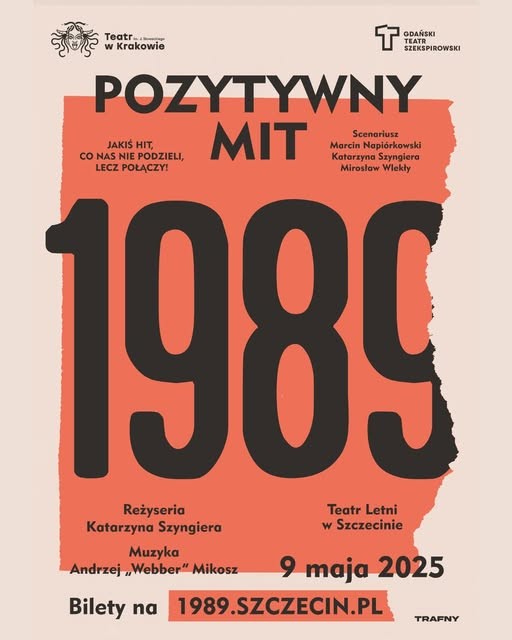
«1989» — одна з найбільш обговорюваних сучасних польських постановок, що поєднує театр, музику і популярну культуру. Вистава переосмислює історію падіння комуністичного режиму, пропонуючи нову форму сценічної розповіді. Критики звертають увагу на її здатність працювати з ширшою аудиторією без спрощення змісту.
3. «Одіссея. Історія для Голлівуду» (Odyseja. Historia dla Hollywoodu)
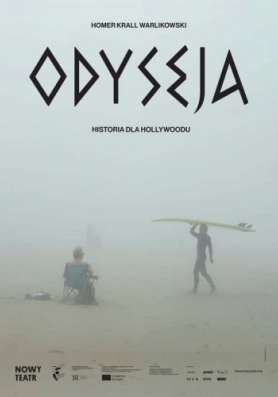
Новий театр (Варшава) | режисер: Кшиштоф Варліковський | драматургічна основа: авторська композиція.Вистава Кшиштофа Варліковського — приклад театру, який працює з пам’яттю і внутрішнім досвідом, а не з прямим політичним висловлюванням. У рецензії Gazeta Wyborcza після прем’єри з’явилася фраза: «Każdy z nas ma swoją Itakę» Критики описують виставу як багаторівневу рефлексію про пам’ять, ідентичність і культурні наративи. Попри різні підходи, ці роботи демонструють спільну тенденцію: польський театр дедалі чіткіше функціонує як простір суспільного аналізу.
У них наголошується, що сучасна сцена в Польщі є тісно пов’язаною з політичним дискурсом і виконує роль публічної платформи для обговорення складних тем. У цьому контексті говорити про «найкращі вистави» означає спрощувати ситуацію. Радше йдеться про кілька напрямів, які визначають розвиток театру: актуалізація класики, поява нових гібридних форм та інтелектуалізація сценічної мови.
Polish Theatre Between Memory and Provocation: Productions Shaping the 2025–2026 Season
In Poland, a theatre season is rarely summed up through lists of “the best”. The logic is different: attention is focused not on rankings but on productions that reshape the very conversation about theatre — works that move beyond the stage and intervene in the social and political sphere.
The understanding of what matters is largely shaped by leading Polish critics — notably Roman Pawłowski (Gazeta Wyborcza), Jacek Sieradzki (Dialog), and Łukasz Drewniak — whose reviews and essays define the critical discourse. This perspective is evident across major outlets such as Gazeta Wyborcza, Polityka and the specialist journal Dialog, as well as in the programming of key festivals, from Kraków’s Boska Komedia to the Warsaw Theatre Meetings. Against this backdrop, a number of productions continue to set the tone of debate into the 2025–2026 season.
Dziady, Juliusz Słowacki Theatre, Kraków | Director: Maja Kleczewska | Playwright: Adam Mickiewicz
Maja Kleczewska’s staging of Dziady has become one of the most prominent theatrical events in Poland in recent years. It repeatedly surfaces in public debate as an example of theatre engaging directly with political reality. Critics note that this interpretation does not seek to reconstruct the canonical text, but rather reframes it as an urgent commentary on the present.
1989, Gdańsk Shakespeare Theatre / Wybrzeże Theatre, Gdańsk | Director: Katarzyna Szyngiera | Writers: Marcin Napiórkowski, Katarzyna Szyngiera
1989 stands among the most widely discussed contemporary Polish productions, blending theatre, music and elements of popular culture. It revisits the collapse of the communist regime through a new theatrical language. Critics have pointed to its ability to reach broader audiences without diluting its intellectual or historical complexity.
Odyssey: A Story for Hollywood (Odyseja. Historia dla Hollywoodu), Nowy Teatr, Warsaw | Director: Krzysztof Warlikowski | Dramaturgy: original composition.
Krzysztof Warlikowski’s production represents a different trajectory — a theatre concerned less with direct political statement and more with memory, identity and inner experience. A review in Gazeta Wyborcza captured its tone with the line: “Każdy z nas ma swoją Itakę” (“Each of us has our own Ithaca”). Critics have described the work as a layered reflection on memory and cultural narratives.
Despite their differences, these productions point to a shared tendency: Polish theatre is increasingly functioning as a space of social analysis. Across critical writing and academic commentary alike, the stage is seen as closely intertwined with political discourse, serving as a public platform for confronting complex and often uncomfortable questions.In this context, speaking of the “best” productions risks oversimplifying the picture. What emerges instead are several defining directions: the reinterpretation of classical texts, the rise of hybrid theatrical forms, and a growing intellectualisation of stage language. It is at the intersection of these processes that contemporary Polish theatre takes shape — not merely reflecting reality, but actively engaging with it.
2000