© Facebook Prague Morning
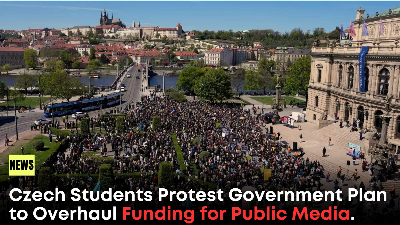
У Чехії не вщухають дискусії навколо пропозиції уряду реформувати фінансування суспільного мовлення — крок, який критики розцінюють як потенційну загрозу незалежності медіа. Йдеться про плани скасувати традиційну модель абонентської плати за користування суспільним телебаченням і радіо та замінити її фінансуванням із державного бюджету. Уряд стверджує, що це дозволить модернізувати систему та зменшити фінансовий тиск на громадян. Водночас представники медіаспільноти попереджають, що така модель може зробити суспільні мовники більш вразливими до політичного впливу. Як повідомляє Associated Press, після оголошення ініціативи в Празі та інших містах країни відбулися акції протесту за участі студентів, журналістів і представників культурного середовища. Учасники наголошували, що незалежне суспільне мовлення є ключовим елементом демократичної системи, а зміна джерел фінансування без чітких гарантій автономії створює ризики для свободи слова. Професійні об’єднання журналістів також виступили із жорсткими заявами. За інформацією The Guardian, частина медіаспільноти не виключає можливості страйку у разі, якщо реформа буде впроваджена без належних запобіжників. Зокрема, ČT24, новинний канал чеського суспільного мовника, повідомляє, що уряд наполягає на необхідності реформування системи фінансування, наголошуючи на її довгостроковій стабільності. Водночас, як зазначає Radio Prague International, експертне середовище залишається розділеним у оцінці наслідків запропонованих змін. Європейські медіа-аналітики звертають увагу на ризики, пов’язані зі зміною моделі фінансування суспільних мовників, особливо в контексті ширших тенденцій тиску на незалежні медіа в регіоні. Попри зростаючий тиск, уряд Чехії наполягає, що запропонована реформа спрямована виключно на підвищення ефективності системи. Аналітики зазначають, що нинішній конфлікт виходить далеко за межі технічної реформи фінансування. Йдеться про фундаментальне питання: якою має бути роль держави у функціонуванні незалежних медіа та які інституційні гарантії здатні захистити свободу слова в умовах політичних змін.
Media funding reform in Czechia sparks wave of protests
Debate continues to intensify in Czechia over a government proposal to reform the funding of public service broadcasting — a move critics say could pose a threat to media independence. The plan involves scrapping the traditional licence fee for public television and radio and replacing it with direct funding from the state budget. The government argues that the reform would modernise the system and ease the financial burden on citizens. However, media professionals warn that such a model could leave public broadcasters more vulnerable to political influence. According to Associated Press, protests have taken place in Prague and other cities following the announcement, with students, journalists and members of the cultural community taking part. Demonstrators stressed that independent public broadcasting is a cornerstone of a democratic system, and that changing its funding without clear safeguards risks undermining freedom of speech. Journalists’ associations have also issued strong statements. As reported by The Guardian, parts of the media community have not ruled out strike action if the reform proceeds without adequate protections. Meanwhile, ČT24, the news channel of the Czech public broadcaster, reports that the government insists on the need to overhaul the funding system, emphasising its long-term sustainability. At the same time, Radio Prague International notes that the expert community remains divided over the potential consequences of the proposed changes. European media analysts have also highlighted the risks associated with altering the funding model of public broadcasters, particularly in the context of broader concerns about pressure on independent media across the region. Despite growing criticism, the Czech government maintains that the reform is aimed solely at improving the system’s efficiency. Analysts say the current dispute goes beyond a technical change in funding, raising broader questions about the role of the state in media and the institutional safeguards needed to protect editorial independence in times of political change.
2462