© Facebook Vladyslav Heraskevych
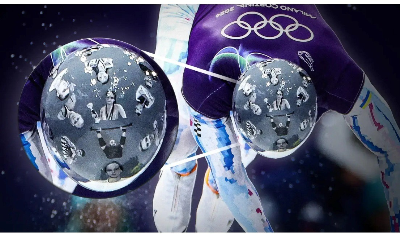
На XXV зимових Олімпійських іграх у Мілані та Кортіна-д’Ампеццо прапороносець збірної України, скелетоніст Владислав Гераскевич, привернув міжнародну увагу, з’явившись на тренуванні у спеціальному «шоломі пам’яті». Попри обмеження, встановлені Міжнародний олімпійський комітет, на шоломі були зображені портрети українських спортсменів, які загинули внаслідок повномасштабного вторгнення Росії. Серед них — Федір Єпіфанов, майстер спорту та чемпіон України, який загинув наприкінці 2023 року, захищаючи країну. Вчинок Гераскевича, здійснений із ризиком дисциплінарних санкцій і навіть участі в Іграх, багато хто сприйняв як сильний акт пам’яті та морального протесту. Сам спортсмен наголосив, що його шолом не є політичним жестом, а лише способом вшанувати загиблих членів олімпійської спільноти, назвавши рішення МОК «таким, що розбиває серце». МОК, посилаючись на Правило 50 Олімпійської хартії, заборонив використання шолома під час змагань, запропонувавши як компроміс чорну пов’язку. Гераскевич відмовився, а міністр спорту України публічно підтримав спортсмена. Подія викликала широкий міжнародний резонанс і була висвітлена провідними світовими медіа, зокрема Reuters, The Guardian та BBC.
Olympic gesture of remembrance: Ukrainian skeleton racer speaks out against IOC restrictions
At the XXV Winter Olympic Games in Milan and Cortina d’Ampezzo, Ukraine’s flagbearer, skeleton racer Vladyslav Heraskevych, attracted international attention after appearing at a training session wearing a specially designed “helmet of remembrance”. Despite restrictions imposed by the International Olympic Committee, the helmet featured portraits of Ukrainian athletes who were killed as a result of Russia’s full-scale invasion. Among them was Fedir Yepifanov, a Master of Sport and Ukrainian champion, who was killed in late 2023 while defending his country. Heraskevych’s action, taken at the risk of disciplinary sanctions and even his participation in the Games, has been widely perceived as a powerful act of remembrance and moral protest. The athlete stressed that the helmet was not a political statement, but solely a way to honour fallen members of the Olympic community, describing the IOC’s decision as “heartbreaking”. Citing Rule 50 of the Olympic Charter, the IOC banned the use of the helmet during competition and предложив a black armband as a compromise. Heraskevych refused, while Ukraine’s Minister of Sport publicly voiced support for the athlete. The incident has sparked significant international resonance and has been covered by leading global media outlets, including Reuters, The Guardian and the BBC.
1796