© Grand Théâtre de Genève
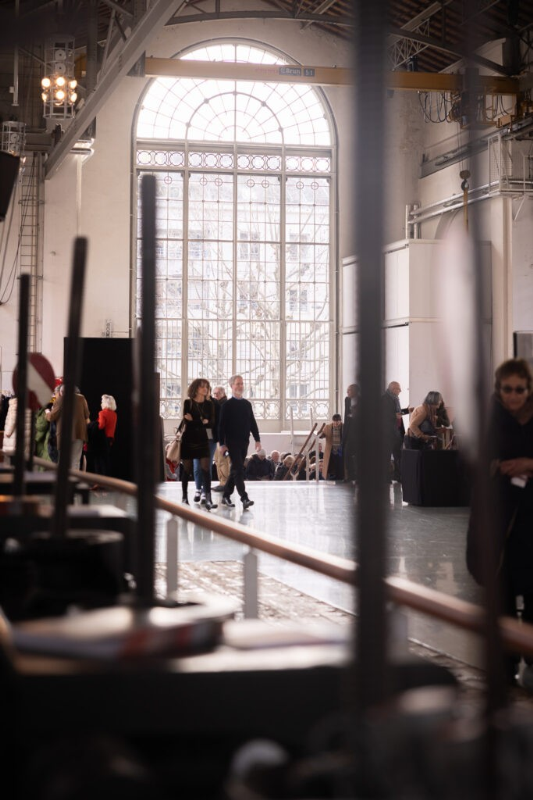
Однією з найпомітніших культурних подій Швейцарії у 2026 році став тимчасовий переїзд Grand Théâtre de Genève до Bâtiment des Forces Motrices (BFM) — колишнього гідравлічного комплексу XIX століття, переосмисленого як театральний простір. Європейська архітектурна та оперна преса вже називає цей проєкт одним із найцікавіших прикладів adaptive reuse architecture у сучасному європейському театрі — коли індустріальна спадщина стає частиною нової культурної інфраструктури міста.
https://genevadiscovery.ch
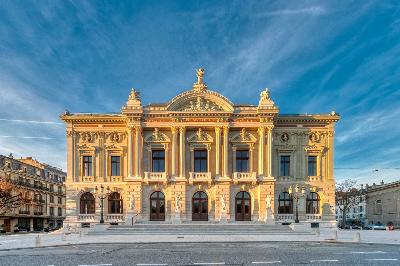
Історична будівля Grand Théâtre на Place Neuve закрилася на масштабну реконструкцію до літа 2027 року. Проект передбачає оновлення сценічної механіки, модернізацію оркестрової ями та суттєве покращення акустики. Водночас театр вирішив не переривати сезон і перенести оперні та балетні постановки до BFM — простору, розташованого просто посеред Рони.
https://genevadiscovery.ch
Франкомовна швейцарська преса описує цей сезон як hors les murs — театр «поза стінами». Саме ця трансформація — з індустріального об’єкта на культурний простір — сьогодні стала однією з центральних тем у дискусіях про майбутнє європейських театральних інституцій. BFM має для Женеви майже символічне значення.
Grand Théâtre de Genève
Комплекс, збудований наприкінці XIX століття інженером Теодором Турреттіні, свого часу забезпечував місто водою та енергією для фонтанів, будинків і фабрик. Саме ця система технічно пов’язана з появою знаменитого Jet d’Eau — одного з головних символів Женеви. Після виведення промисловості з центру міста будівля втратила первинну функцію, а у 1990-х її переобладнали на культурний простір під час попередньої реконструкції Grand Théâtre.
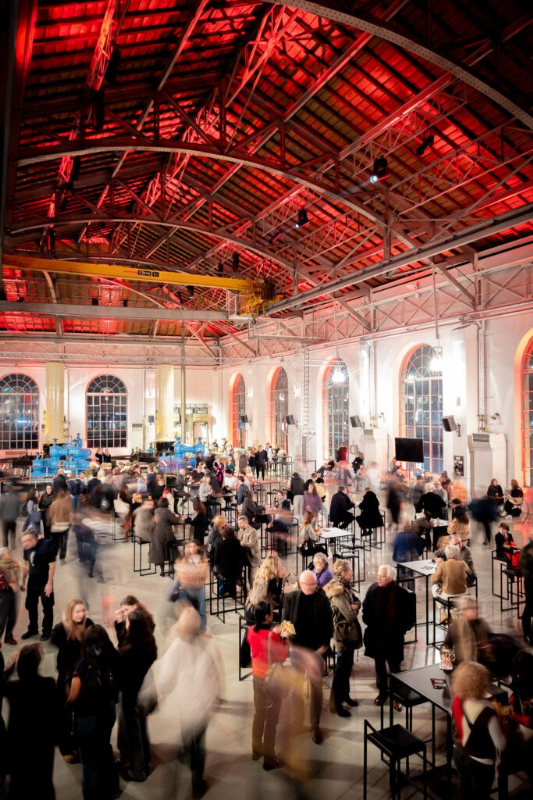
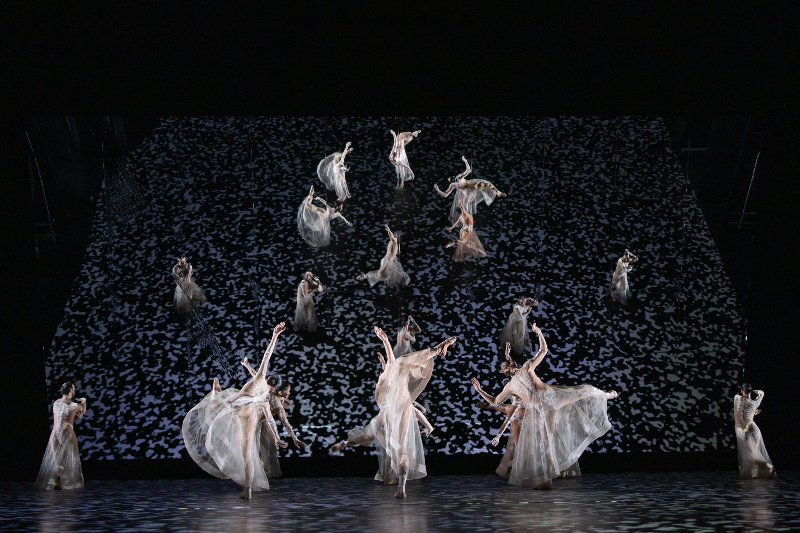
Телеканал Léman Bleu назвав Grand Théâtre «кочовою оперною інституцією», яка тимчасово відмовляється від класичної монументальної сцени на користь мобільнішого та експериментальнішого формату. Архітектура BFM суттєво змінює і саму сценічну мову постановок. Простір має витягнуту конфігурацію, сцену площею близько 600 квадратних метрів і глибоку перспективу, яка дозволяє режисерам працювати зі світлом, рухом та дистанцією інакше, ніж у традиційному оперному театрі. Індустріальна фактура будівлі — відкриті металеві конструкції, аркові вікна та сама присутність річки навколо сцени — створює зовсім інший візуальний і акустичний досвід. Паралельно Grand Théâtre розширює міську програму La Plage, розподіляючи культурні події по всій Женеві — від музичних зустрічей у Manège en Ville до Bibliopéras у міській бібліотеці та спеціальних маршрутів у музеях. У результаті театр фактично виходить за межі власної будівлі й перетворює саме місто на розосереджену сцену. Для багатьох європейських оглядачів саме це сьогодні є головною ідеєю проєкту: опера перестає бути виключно монументальним простором елітарної культури й починає взаємодіяти з містом як із живою архітектурною та соціальною тканиною.
Facebook Grand Théâtre de Genève
Grand Théâtre de Genève Moves Opera into a Former Factory — Turning Geneva into a “Theatre Without Walls”
One of Switzerland’s most notable cultural events of 2026 has been the temporary relocation of the Grand Théâtre de Genève to the Bâtiment des Forces Motrices (BFM), a 19th-century hydraulic complex reimagined as a performance venue. European architectural and opera critics have already described the project as one of the most compelling examples of adaptive reuse architecture in contemporary European theatre — where industrial heritage becomes part of a city’s new cultural infrastructure.
The historic Grand Théâtre building on Place Neuve has closed for a major renovation scheduled to continue until summer 2027. The project includes the replacement of stage machinery, the modernisation of the orchestra pit and significant acoustic improvements. Rather than interrupting its season, however, the theatre has chosen to relocate its opera and ballet productions to the BFM — an industrial space situated directly on the Rhône.
French-speaking Swiss media have described the season as hors les murs — a theatre operating “beyond its walls”. This transformation — from an industrial facility into a cultural venue — has become one of the central themes in current debates about the future of European theatre institutions.
The BFM holds an almost symbolic status in Geneva. Built in the late 19th century by engineer Théodore Turrettini, the complex once supplied the city with water and energy for its fountains, homes and factories. The system was also technically linked to the creation of the famous Jet d’Eau, one of Geneva’s best-known landmarks. After industry gradually moved out of the city centre, the building lost its original function and was eventually converted into a cultural venue in the 1990s during an earlier renovation of the Grand Théâtre.
Swiss broadcaster Léman Bleu described the Grand Théâtre as a “nomadic opera institution” temporarily abandoning the traditional monumentality of the classical opera stage in favour of a more mobile and experimental format.
The architecture of the BFM is also reshaping the visual language of the productions themselves. The venue features an elongated configuration, a stage of approximately 600 square metres and a deep spatial perspective that allows directors to work with light, movement and distance in ways rarely possible in a conventional opera house. The industrial character of the building — exposed metal structures, arched windows and the surrounding presence of the Rhône — creates an entirely different visual and acoustic experience. At the same time, the Grand Théâtre is expanding its city-wide programme La Plage, dispersing cultural events across Geneva — from musical gatherings at Manège en Ville to Bibliopéras at the municipal library and specially curated museum routes. As a result, the theatre is effectively moving beyond the confines of its own building and transforming the city itself into a decentralised stage.
For many European commentators, this has become the project’s central idea: opera is no longer conceived solely as a monumental space of elite culture, but as an art form capable of engaging directly with the living architectural and social fabric of the city.
2377