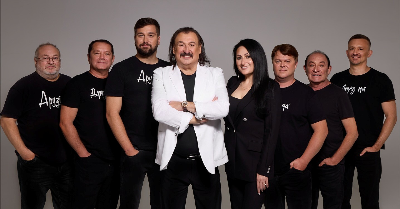
© Facebook Степан Гіга
В Україні помер народний артист Степан Гіга — співак і автор пісень, чия творчість стала впізнаваною частиною української естради кінця ХХ — початку ХХІ століття. Артист здобув широку популярність у 1990-х роках як виконавець ліричних і романтичних пісень, що поєднували естрадну мелодику з мотивами західноукраїнської музичної традиції. Серед його найвідоміших композицій — «Яворина», «Цей сон», «Золото Карпат», які протягом десятиліть залишалися впізнаваними для кількох поколінь слухачів. У професійному середовищі Степана Гігу традиційно відносять до покоління української поп-естради 1990-х — артистів, чия популярність ґрунтувалася насамперед на живих концертах і гастролях, а не на постійній телевізійній присутності. Попри обмежену кількість ефірів у центральних ЗМІ, співак зберіг стабільну аудиторію в регіонах України та за її межами. У 2020-х роках творчість Гіги пережила нову хвилю інтересу: його пісні активно поширювалися в соціальних мережах, а концерти збирали молодшу публіку. Культурні оглядачі пов’язували це з переосмисленням української поп-культури 1990-х та зростанням запиту на україномовний музичний контент. Колеги артиста наголошують на професіоналізмі Гіги, його вокальній манері та відданості сцені.
Павло Зібров, співак, народний артист України: «Степан був артистом, який не вписувався у телевізійні правила, але завжди збирав повні зали. Його любили люди — і це найважливіше. Він не біг за ефірами, він жив сценою».
У Фейсбуці артиста згадують сотні шанувальників, Денис Пілаш пише: « Наш земляк Степан Гіга помер легендою. Ще за мого закарпатського дитинства він часто категоризувався як якийсь "артист естради" - в часи, коли такі слова ще вживалися, але вже віддавали нафталіном. Потім якийсь час згадки траплялися хіба в мемах з підписами "Три гіга музики" під фотографією Степана Петровича з сином і донькою, теж співаками. Тепер ж діти в тіктоках масово переспівують за ним "Цей сон", "Золото Карпат" і "Яворину", а пам'ять по собі він залишає добру, без якихось гучних скандалів і притаманної багатьом зіркам крінжі. Надалі Гігу згадуватимуть як одного з найвідоміших людей, які жили в селі Білки під Іршавою - як легендарного силача Івана Фірцака ("Кротона"; Віктор Андрієнко зняв про нього добре сімейне кіно "Іван Сила"), блаженного греко-католицької церкви Петра Павла Ороса (таємно висвяченого Теодором Ромжею в єпископи і застреленого на дорозі мєнтом в 1953; процес беатифікації, розпочатий Папою Франциском, цього року завершений Левом XIV), угорського композитора Єнő Радіча чи бранку концтабору Освенцим Лілі Якоб (чий "Альбом Аушвіца" став головним візуальним документом про вбивства там євреїв з підугорської території).
Stepan Giha: One of the Symbols of Ukrainian Pop Music of the 1990s Passes Away
In Ukraine, People’s Artist Stepan Giha has died. He was a singer and songwriter whose work became a recognizable part of Ukrainian pop music at the turn of the late 20th and early 21st centuries. The artist rose to wide popularity in the 1990s as a performer of lyrical and romantic songs that combined pop melodies with elements of Western Ukrainian musical tradition. Among his most famous compositions are Yavoryna, This Dream, and Gold of the Carpathians, which for decades have remained familiar to several generations of listeners. In the professional community, Stepan Giha is traditionally associated with the generation of Ukrainian pop performers of the 1990s—artists whose popularity was based primarily on live concerts and touring rather than constant television exposure. Despite a limited presence on national media outlets, the singer maintained a stable audience in the regions of Ukraine and abroad. In the 2020s, Giha’s work experienced a renewed wave of interest: his songs were actively shared on social media, and his concerts attracted a younger audience. Cultural commentators linked this revival to a reassessment of Ukrainian pop culture of the 1990s and to the growing demand for Ukrainian-language music content. Colleagues emphasize Giha’s professionalism, distinctive vocal style, and dedication to the stage.
Pavlo Zibrov, singer, People’s Artist of Ukraine: “Stepan was an artist who did not fit into television rules, yet he always filled concert halls. People loved him—and that is what matters most. He did not chase airtime; he lived for the stage.”
Oksana Bilozir, singer:
“Stepan Giha is part of Ukraine’s musical history. His songs were sung then, and they are sung now.”
From Ukrainian media coverage:
“The phenomenon of Stepan Giha lies in sincerity and recognizability. He remained outside fashionable trends, and that is precisely what made his songs enduring.”
17567