©
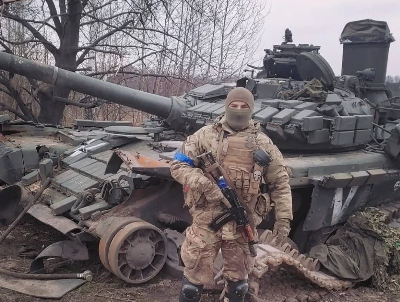
В червні 2022 року ми тримали оборону Лисичанського нафтопереробного заводу. З кожним днем противника ставало все більше і протидіяти йому ставало складніше. Зіткнення були прямі і близькі: перестрілювалися піхотинці і бронемашини, мали місце танкові бої.
Тоді я працював оператором «Фагота», який називають «снайперською гвинтівкою артилерії». В той день я з самого ранку відчував, що буде бій. Ми з моїм побратимом Олексієм з позивним «Тур» знаходилися в районі очікування, щоби за першої необхідності виїхати на позицію. І тут розвідка повідомила, що неподалік від нас рухається колона танків. Ми одразу ж виїхали їм назустріч на нашій старенькій «Ниві», в якій лежав «Фагот» і дві ракети до нього.
Ми так поспішали, що ледь не виїхали на самі ці танки. Зупинилися ми буквально в кілометрі від них. Ми опинилися настільки близько, що не одразу зрозуміли: наша це техніка, чи ні. Та потім ми роздивилися на ній усім відомі білі «Z» і все стало ясно. Це було на світанку. Сходило сонце. Через те, що танки рухалися зі сходу, то сонце нас сліпило.
Ми швидко загнали машину в кущі. Оперативно виставили «Фагот». Поки я розклався і заряджав ракету, то колона просунулася і стала боком до нас. Я зробив постріл у третій танк у колоні. Танк одразу загорівся і почав скочуватися до яру. В той момент у мене було таке внутрішнє піднесення, яке дуже рідко випадає відчути.
Після мого влучання інші три танки з цієї колони зупинилися, орки повилазили з люків і почали дивитися, бо вони не одразу зрозуміли, що сталося: чи це була міна, чи постріл, і якщо таки постріл — то звідки. «Фагот» стріляє дуже гучно та ще й генерує великий спалах. Тож після першого ж пострілу ти одразу відкриваєш своє місцезнаходження. Саме через це операторів цієї установки називали «смертниками».
Я їх добре бачив, бо вони були на відстані до кілометра. Ми скористалися цією розгубленістю противника і зарядили другу ракету. Та поки я наводився на наступний танк, то і орк не витрачав час. Тож коли я подивився в приціл свого «Фагота», то побачив, як на мене так само цілиться і цей танк. І я ще не встиг відвести око від прицілу, як побачив вогонь із гармати танка, який уже почав працювати по нам.
Снаряд просвистів у нас над головою і вдарив метрах у 30 за спиною. Другий прихід був перед нами. Єдине, що я тоді почув, як мій напарник кричить: «Тікай!» Я підірвався з-під установки і побіг у найближчі окопи, метрах у 15 від нас. Нам дуже допомогло, що раніше на цьому місці стояла якась ТРО, що накопала там окопів та укриттів. І завдяки цьому нам було де укритися.
Буквально поруч зі мною впав великий уламок від танкового снаряда. Великий такий. Півмісяць нагадує. І дуже гарячий. Я тоді доповідав командиру про кожен постріл по рації і як тільки взяв цей уламок в руку, то обпікся і чомусь одразу сказав у рацію: «Він гарячий». А по той бік не зрозуміли і перепитують: «Хто гарячий?». А я на емоціях кричу: «Танковий осколок гарячий!» Чому я тоді це сказав — я досі не знаю. Якось на емоціях та ще й під обстрілом.
Танк розрядив по нам десь п’ять снарядів, від яких досить сильно оглушило. Не знаю, чи отримали ми тоді контузії. Коли обстріл завершився, то я визирнув з окопу і побачив, що танк уже не дивився в наш бік і проїхав трохи уперед. Я скористався моментом і, підбігши до установки, зробив постріл по другому танку. Влучно. З нього пішов дим і він зупинився.
Після цього я побачив ще одну колону з восьми-дев’яти танків. Проте у нас вже не було ракет. Командир сказав нам переміститися пару кілометрів на іншу точку, де працювали артилеристи. Йшли ми пішки, бо наша старенька «Нива» не пережила той обстріл. Там ми вже уточнили координати, де рухається ще одна колона танків і туди навели нашу артилерію.
Всі ці танки рушили на нафтопереробний завод. Один із наших інженерів добре замінував міст, що вів у ту промзону, і підірвав його, коли танки були буквально в двох сотнях метрів від нього.
В той день я нарахував 16 танків, за якими рухалися ще й БТР і БМП. Так трапилося, що в тому місці ми виявилися єдиними протитанкістами, які працювали того дня. Всі ці події розгорталися на фоні палаючого нафтосховища, яке нагадувало виверження вулкану.
Diary of Soldier Anton Filatov: Lysychansk. The Story of “Vampyr”
In June 2022, we were holding the defensive line at the Lysychansk oil refinery. With each passing day, the enemy grew in number, and resisting them became increasingly difficult. Engagements were direct and close-range: infantry firefights, clashes involving armored vehicles, and full-scale tank battles.
At the time, I was operating a Fagot anti-tank guided missile system—often referred to as the “sniper rifle of artillery.” That morning, from the very start of the day, I had a strong sense that a battle was imminent. My comrade Oleksii, callsign “Tur,” and I were stationed in a standby area, ready to move to a firing position at a moment’s notice. Then reconnaissance reported that a column of tanks was advancing not far from us.
We immediately drove out to intercept them in our old Niva, carrying the Fagot launcher and two missiles. We were moving so fast that we nearly drove straight into the tanks themselves, stopping barely a kilometer away. We were so close that, at first, we couldn’t tell whether the vehicles were ours or not. Then we saw the unmistakable white “Z” markings, and everything became clear. It was dawn. The sun was rising, and because the tanks were advancing from the east, the glare was blinding us.
We quickly concealed the vehicle in the bushes and set up the Fagot. As I deployed the launcher and loaded the missile, the column moved forward and turned sideways to our position. I fired at the third tank in the column. It ignited immediately and began rolling down into a ravine. In that moment, I felt an intense surge of exhilaration—something rare, almost impossible to describe.
After the hit, the other three tanks in the column stopped. The enemy soldiers climbed out of the hatches, clearly confused, trying to understand what had happened—whether it was a mine or a direct strike, and if so, from where. The Fagot fires with a loud report and produces a large flash, instantly revealing the operator’s position. For that reason, those who worked with this system were often grimly referred to as “suicide operators.”
I could see them clearly—they were less than a kilometer away. We took advantage of their hesitation and loaded the second missile. But while I was taking aim at another tank, the enemy wasn’t wasting time. When I looked through the Fagot’s sight, I saw the tank aiming straight back at us. I barely had time to register it before I saw the flash from its main gun—it had already begun firing at our position.
The first shell whistled over our heads and exploded about thirty meters behind us. The second impact landed in front of us. The only thing I remember hearing was my partner shouting, “Run!” I sprang away from the launcher and dashed toward the nearest trenches, about fifteen meters away. We were fortunate that a Territorial Defense unit had previously held this area and dug trenches and shelters. Thanks to that, we had somewhere to take cover.
A large fragment from a tank shell landed right beside me—big, crescent-shaped, and searing hot. I had been reporting every shot over the radio to our commander, and when I instinctively grabbed the fragment, it burned my hand. For some reason, I immediately said into the radio, “It’s hot.” On the other end, they didn’t understand and asked, “Who’s hot?” And I shouted back, “The tank fragment is hot!” Why I said that, I still don’t know. It was pure adrenaline, under heavy fire.
The tank fired about five shells at us, leaving us badly stunned. I can’t say whether we suffered concussions. When the shelling stopped, I peeked out of the trench and saw that the tank was no longer aiming at our position and had moved slightly forward. I seized the moment, ran back to the launcher, and fired at a second tank. It was a direct hit. Smoke poured out, and the tank came to a halt.
After that, I spotted another column—eight or nine tanks—but we were out of missiles. The commander ordered us to move a couple of kilometers to another position where our artillery units were operating. We went on foot, since our old Niva hadn’t survived the shelling. From there, we relayed updated coordinates of yet another advancing tank column, which our artillery then engaged.
All of these tanks were moving toward the oil refinery. One of our engineers had expertly mined the bridge leading into the industrial zone and detonated it when the tanks were barely two hundred meters away.
That day, I counted sixteen tanks, followed by armored personnel carriers and infantry fighting vehicles. By sheer circumstance, we were the only anti-tank unit operating in that area at the time. All of this unfolded against the backdrop of a burning oil storage facility, which looked like a volcanic eruption.
5982