© Facebook Accès Culture
Французька театральна сцена у сезоні 2025–2026 років, відзначена премією Molières, демонструє рідкісну концентрацію сенсів: від масштабних постановок до камерних психологічних експериментів. Але головне — це театр, який дедалі впевненіше говорить про сучасність. Спираючись на матеріали провідних французьких критиків : Fabienne Darge (Le Monde), Fabienne Pascaud (Télérama) та Joëlle Gayot (France Culture) — можна окреслити ключові тенденції сезону.
Театральна критикиня Le Monde Фаб’єн Дарж (Fabienne Darge) визначає сучасний французький театр як простір, де реальність стає головним матеріалом сцени: «театр реальності на найвищому рівні». У своїх текстах вона підкреслює, що сцена дедалі частіше звертається до: колективних травм, судових процесів та політичних конфліктів. За її словами, театр більше не тікає від реальності — він її досліджує.
Журналістка і театральна оглядачка Жоель Гайо (Joëlle Gayot), яка працює з France Culture, акцентує іншу рису сезону — на «театральній потужності». У її інтерпретації театр — це вже не лише текст, а: фізична присутність актора, тілесність та енергія взаємодії з глядачем.
На соціальному вимірі сцени у своїх оглядах наголошує, Фаб’єн Паско (Fabienne Pascaud), театральна критикиня Télérama. Аналізуючи сучасні постановки, вона звертає увагу на їхню документальність і актуальність: «документальні вистави стали головними переможцями». Тепер мова йде про театр, який працює з історіями біженців, досліджує сучасну Європу та говорить про людину в кризі. Ці зміни свідчать про театр співпереживання, а не дистанції.
Список номінантів премії Molières 2026 року відображає саме ці тенденції.
Найкраща вистава державного театру (Théâtre public)
«Гекуба, не Гекуба» (Hécube, pas Hécube) — реж. Тіаго Родрігеш
«Атласний черевичок» (Le Soulier de satin) — реж. Ерік Руф
Найкраща вистава приватного театру (Théâtre privé)
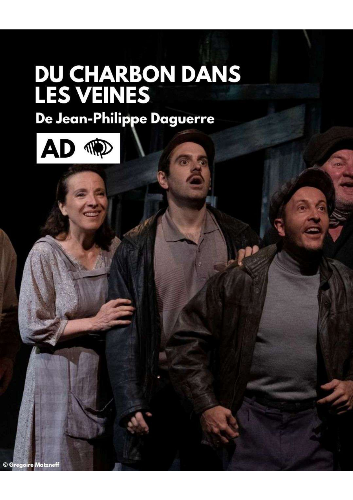
«Вугілля в жилах» (Du charbon dans les veines) — Жан-Філіп Дагер
«Art» — Ясміна Реза (нова інтерпретація)
Найкращий музичний спектакль (Spectacle musical)
«Знедолені» (Les Misérables) — реж. Ладіслас Шолля
«Клітка для диваків» (La Cage aux folles) — реж. Олів’є Пі
Режисура:
Тіаго Родрігеш (Tiago Rodrigues)
Ерік Руф (Éric Ruf)
Олів’є Пі (Olivier Py)
Вручення 37-ї Премії Мольєра відбудеться у Парижі 28 квітня 2026 року
Довідка: Премія Molières була заснована у 1987 році та названа на честь Жана-Батиста Мольєра (1622-1673) — французького письменника, драматурга та актора, символу французького театру. Це головна театральна нагорода Франції, аналог британської Olivier Awards, Охоплює як державний, так і приватний театр.
On the eve of the announcement of the winners of the Molières Theatre Awards 2026
The French theatre scene in the 2025–2026 season, marked by the Molières Awards, demonstrates a rare concentration of meaning: from large-scale productions to intimate psychological experiments. Above all, however, it is a theatre that speaks with increasing confidence about the present day.
Drawing on the work of leading French critics — Fabienne Darge (Le Monde), Fabienne Pascaud (Télérama), and Joëlle Gayot (France Culture) — the key trends of the season become clear.
Theatre critic Fabienne Darge (Le Monde) defines contemporary French theatre as a space where reality becomes the primary material of the stage: “theatre of reality at its highest level.” In her writing, she emphasizes that the stage increasingly turns to collective trauma, court cases, and political conflicts. According to her, theatre no longer escapes reality — it investigates it.
Journalist and theatre commentator Joëlle Gayot (France Culture) highlights another defining feature of the season — what she calls “theatrical power.” In her interpretation, theatre is no longer just about the text, but about the physical presence of the actor, embodiment, and the energy of interaction with the audience.
The social dimension of the stage is underscored in the work of Fabienne Pascaud (Télérama). In her reviews, she points to the documentary and topical nature of contemporary productions, noting that “documentary performances have become the main winners.” This is a theatre that engages with stories of refugees, explores contemporary Europe, and speaks about the individual in crisis. These shifts signal a theatre of empathy rather than distance.
The list of nominees for the Molières 2026 reflects precisely these trends.
Best Public Theatre Production (Théâtre public)
-
Hécube, pas Hécube — directed by Tiago Rodrigues
-
Le Soulier de satin — directed by Éric Ruf
Best Private Theatre Production (Théâtre privé)
-
Du charbon dans les veines — Jean-Philippe Daguerre
-
Art — Yasmina Reza (new interpretation)
Best Musical Production (Spectacle musical)
-
Les Misérables — directed by Ladislas Chollat
-
La Cage aux folles — directed by Olivier Py
Best Director (Metteur en scène)
-
Tiago Rodrigues
-
Éric Ruf
-
Olivier Py
The 37th Molières Awards ceremony will take place in Paris on April 28, 2026.
Background:
The Molières Awards were established in 1987 and named after Jean-Baptiste Molière (1622–1673), a French playwright, actor, and one of the defining figures of French theatre. They are the highest theatre honor in France, comparable to the British Olivier Awards, and recognize achievements in both public and private theatre sectors.
2389