© Festival d'Avignon
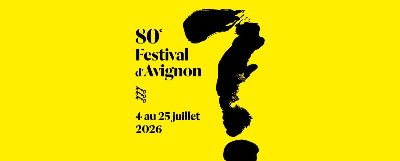
У французькому Авіньйоні офіційно стартував 80-й Festival d'Avignon. Ювілейна подія триватиме з 4 до 25 липня 2026 року, об'єднує десятки театральних, танцювальних, музичних і міждисциплінарних проектів, а також масштабну програму дискусій, лекцій і публічних дебатів.
Festival d'Avignon
Заснований Жаном Віларом у 1947 році, Фестиваль давно перетворився на головний європейський майданчик, де визначаються нові тенденції сучасного театру. Цьогоріч він проходить під художнім керівництвом португальського режисера Тіагу Родрігеша, який запропонував темою фестивалю «продуктивний сумнів». Символом нинішнього року став знак питання — метафора відкритості, критичного мислення та мистецтва, що не пропонує простих відповідей.
Festival d'Avignon
Програма охоплює 47 основних постановок, численні світові прем'єри та відкриті дискусії за участю режисерів, драматургів, істориків, філософів, науковців і громадських діячів. Однією з центральних подій стане масштабний проєкт L'Aube des questions («Світанок запитань») у якому мистецтво поєднується з публічною розмовою про майбутнє Європи, демократію, війну, пам'ять і культуру. У професійному середовищі відзначають, що Родрігеш свідомо відмовляється від святкового пафосу на користь інтелектуальної дискусії про роль театру у світі, який переживає політичну поляризацію, війни та кризу суспільного діалогу.
Festival d'Avignon
Французький історик культури Патрік Бушерон, один із кураторів дискусійної програми фестивалю, наголошує, що головною темою стане не пошук відповідей, а відновлення здатності суспільства ставити складні запитання.
Художній директор фестивалю Тіагу Родрігеш під час презентації програми зазначив, що театр сьогодні має бути місцем сумніву, а не готових істин. На його думку, саме мистецтво здатне створити простір для діалогу тоді, коли суспільство дедалі частіше схиляється до поляризації та спрощених відповідей.
Європейські театральні оглядачі також звертають увагу на безпрецедентну кількість жінок-режисерок у програмі та посилення міжнародного виміру фестивалю. На їхню думку, ювілейний Авіньйон може стати одним із ключових культурних майданчиків року, де визначатимуться головні естетичні й суспільні тенденції сучасного європейського театру.
The 80th Festival d’Avignon has officially opened in the southern French city
Running from 4 to 25 July 2026, the anniversary edition brings together dozens of theatre, dance, music and multidisciplinary productions, alongside an extensive programme of discussions, lectures and public debates. Founded by Jean Vilar in 1947, the Festival has long since established itself as one of Europe’s leading cultural platforms and a place where new directions in contemporary theatre are often set. This year’s edition is being held under the artistic direction of the Portuguese director Tiago Rodrigues, who has chosen “productive doubt” as its central theme. The question mark has become the symbol of this year’s festival — a metaphor for openness, critical thought and an artistic culture that resists easy answers.
The programme includes 47 major productions, numerous world premieres and a series of public discussions involving directors, playwrights, historians, philosophers, scientists and civic figures. One of the centrepieces will be the large-scale project L’Aube des questions — The Dawn of Questions — which combines performance with public debate on the future of Europe, democracy, war, memory and culture. Within the theatre world, observers have noted that Rodrigues has deliberately turned away from anniversary-pageantry in favour of a more searching intellectual debate about the role of theatre in a world marked by political polarisation, war and the breakdown of public dialogue. The French cultural historian Patrick Boucheron, one of the curators of the Festival’s discussion programme, has said that its central concern will not be the search for answers, but the recovery of society’s ability to ask difficult questions.
Presenting the programme, Rodrigues said that theatre today should be a place of doubt rather than ready-made truths. In his view, art can create space for dialogue at a time when public life is increasingly shaped by polarisation and simplistic responses. European theatre critics have also highlighted the unprecedented number of women directors in this year’s programme, as well as the Festival’s increasingly international outlook. Many believe the anniversary edition could become one of the year’s most important cultural gatherings — a forum in which some of the defining aesthetic and social trends in contemporary European theatre will emerge.
1569