
© Facebook Fayard і Nicolas Sarkozy
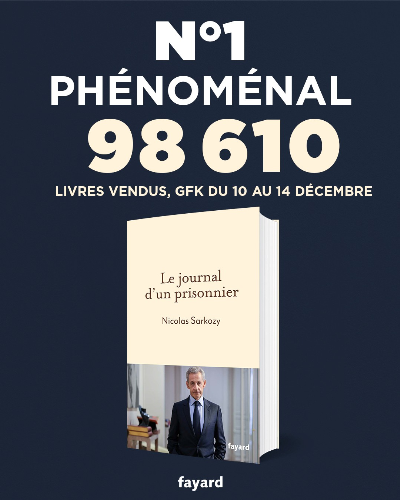
Французькі ЗМІ наголошують на важливому уточненні: колишній президент Франції Ніколя Саркозі не провів у в’язниці сім днів. Йдеться про приблизно три тижні, або близько 20 днів, перебування у паризькій в’язниці Ла-Санте. Водночас «сім днів» стосуються динаміки продажів його нової книги, яка менш ніж за тиждень розійшлася накладом близько 100 тисяч примірників. Книга «Щоденник в’язня», що вийшла друком у видавництві Fayard 10 грудня, за кілька днів після публікації очолила французькі рейтинги продажів. Інтерес до видання значною мірою пояснюється увагою медіа до особистого свідчення Саркозі про умови утримання під вартою та його досвід перебування у місцях позбавлення волі. За даними, оприлюдненими видавцем із посиланням на NielsenIQ GfK, стартові продажі книги стали одними з найвищих для політичної публіцистики останніх років. Французька преса зазначає, що текст подано як розповідь від першої особи й зосереджено не лише на фактах ув’язнення, а й на щоденній рутині, ізоляції та особистих роздумах автора у період, що передував його звільненню до подальшого судового розгляду. Оглядачі також звертають увагу на ширший контекст успіху книги. Час її виходу, активне обговорення у публічному просторі та постать автора перетворили видання на подію, що виходить за межі суто літературного жанру і водночас підтверджує здатність політичних мемуарів періодично ставати важливим фактором на книжковому ринку.
The book by Nicolas Sarkozy about his imprisonment is recording strong sales in France.
French media have stressed an important clarification: the former French president Nicolas Sarkozy did not spend seven days in prison. He was held for approximately three weeks, or around 20 days, at Paris’s La Santé prison. The reference to seven days instead relates to the book’s sales performance, with close to 100,000 copies sold in less than a week. The book, titled Diary of a Prisoner and published by Fayard on 10 December, topped French bestseller charts within days of its release. Interest in the publication has been driven in large part by media attention to Sarkozy’s first-person account of detention conditions and his experience of incarceration. According to figures released by the publisher, citing NielsenIQ GfK, the book’s opening sales rank among the strongest for political non-fiction in recent years. French press coverage notes that the narrative is written in the first person and focuses not only on the facts of imprisonment but also on daily routines, isolation and the author’s personal reflections during the period preceding his release pending further judicial proceedings. Commentators have also highlighted the broader context of the book’s success. The timing of its publication, the level of public debate it has generated and the profile of its author have turned the release into an event that goes beyond the literary sphere, while underlining the continued ability of political memoirs to become significant drivers of the book market.
©
1918